
Intro
Deformation is one of the most troublesome problems in CNC prototype machining: the dimensional tolerance marked on the drawing is ±0.1mm, but the CNC machining exceeds it by 0.5mm, making it impossible to assemble, snap into place, or align. Even more troublesome is that some parts are fine right after completion, but become warped after a couple of days. This article helps you understand the main sources of deformation and the corresponding solutions.
1.Material internal stress: The invisible driving force hidden in the blank
Most prototype warping stems from the material itself. Plastic and aluminum alloy sheets undergo extrusion/rolling before leaving the factory, leaving behind a significant amount of residual stress, which is simply “locked” within the material. When CNC machining is used, this material balance is disrupted, the stress is released, and the part warps.
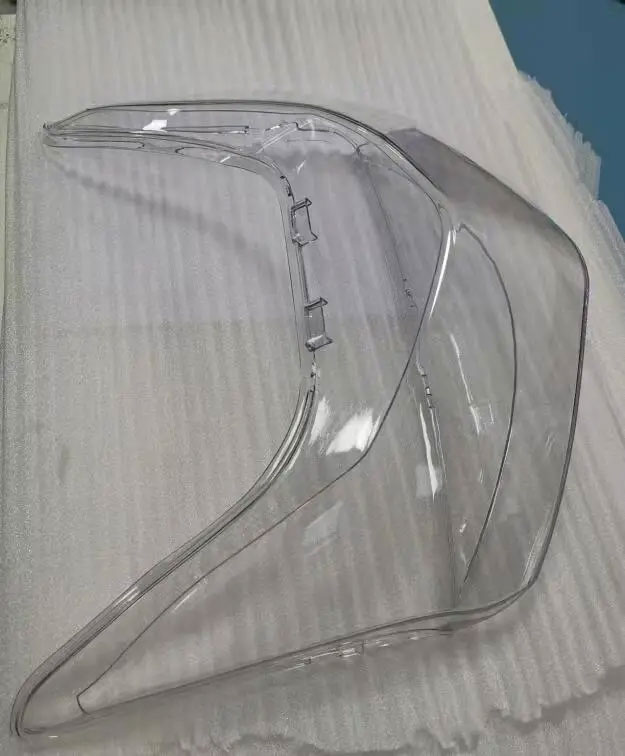
The solution is actually quite simple: release the stress after rough machining, then proceed with finish machining. Specifically, when programming, leave a 0.3-0.5mm allowance. After rough machining, remove the workpiece from the worktable and let it stand for 2-4 hours to allow the stress to release naturally before finishing it to the final dimensions. This process is especially crucial for POM and ABS boards, as stress deformation is even more difficult to manage with these materials than with aluminum alloys.
Another easily overlooked detail is to choose thicker blanks whenever possible . Thin plates lack sufficient rigidity during processing, resulting in greater deformation after stress release. Using thicker blanks to process to the finished size allows for greater stress release space, leading to a more stable finished product.
2. Clamping method: Clamping too tightly is not necessarily better
Many people believe that the tighter the clamp, the more stable it is, but the opposite is true. Excessive clamping force itself puts pressure on the workpiece, and when the clamp is released after processing, the workpiece springs back and deforms.
There’s a simple way to check if the clamping is correct: use a dial indicator. After clamping, pull a dial indicator onto the surface of the workpiece, loosen it, and then clamp it again, observing the movement of the dial indicator needle. If the movement exceeds 0.02mm, it means the clamping is forcibly bending your workpiece, and you must re-level it or adjust the clamping position.
Strategically, vacuum suction cups are preferred—they provide uniform suction force and avoid point pressure. If pressure plates must be used, the pressure point should be positioned vertically above the support point to avoid suspended stress. For thin-walled parts, avoid single-point pressure; instead, use elastic pressure plates to apply force evenly.
3. Choosing Cutting Parameters: Faster Isn’t Always Better
Pursuing efficiency is commendable, but there’s a direct relationship between cutting parameters and deformation. High cutting forces result in high workpiece stress, and in thin-walled areas, the tool can easily bounce off the workpiece. Can you really expect the workpiece not to deform after that?
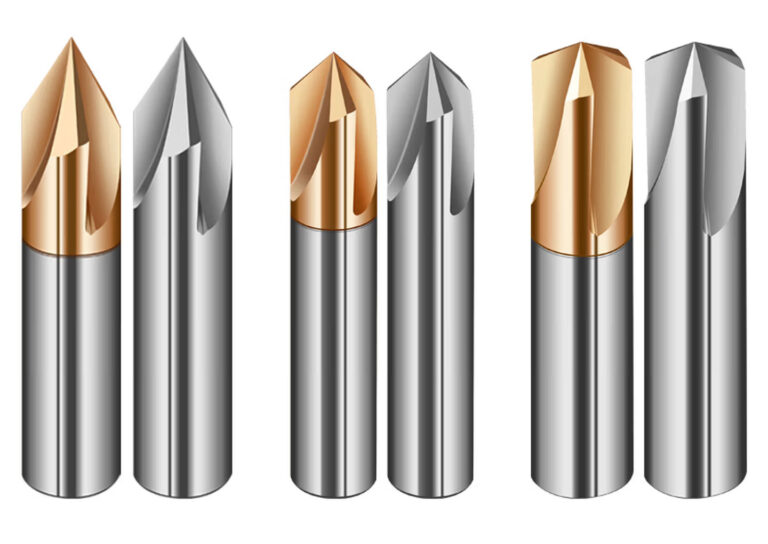
Some practical reference values: For thin-walled structures (wall thickness < 1mm), use small-diameter end mills, with the depth of cut not exceeding 0.3 times the tool diameter, and reduce the feed rate by 20%-30%. For deep-cavity structures, perform layered cutting, with each layer’s depth of cut not exceeding 1mm. For thin-walled aluminum alloy parts, high speed and low feed are more stable than low speed and high feed.
In addition, cutting tools must be replaced when they become dull. The cutting force of a dull tool is 2-3 times that of a sharp tool, which means that even with the same parameters and the same program, the workpiece will suddenly become misaligned. So don’t be reluctant to discard your cutting tools; replace them as soon as you notice the cutting edge is worn smooth.
4. Coolant is not just for show
During CNC machining, local temperatures can reach several hundred degrees Celsius. Thermal expansion causes inconsistencies between the machined dimensions and the dimensions after cooling, which is the root cause of thermal deformation.
Coolant serves two main purposes: cooling and lubrication. Cooling ensures that the material you’re cutting matches the drawing; lubrication allows for smooth chip removal and prevents chips from sticking to the tool. Many people dilute their coolant too much, merely going through the motions, which doesn’t actually control the temperature. For normal machining of aluminum alloys and copper, the coolant concentration should be controlled at 5%-8%, while for machining steel, it should be increased to 8%-10%.
Another point is to avoid hot workpieces in cold environments . Don’t throw a workpiece directly onto a cold platform after it’s just been taken off the machine tool. Sudden cooling of the workpiece can create localized stress; allow it to cool naturally or with the platform to ensure dimensional stability.
5.Care must also be taken in the post-processing stage
Some parts are fine after CNC machining, but change after being sent for sanding and painting. The reason is that localized overheating during sanding and excessively high painting temperatures can reactivate residual stress in the material.
For sanding, use fine sandpaper to lightly glide the sanders; avoid pressing hard on the same spot repeatedly. Before painting, inform the after-treatment technician that the baking temperature should be below 60℃ and the time should be 30 minutes. Higher temperatures may cause the stability to revert to its original state.
Summary From Gafeng
CNC prototype deformation is not caused by a single factor; it is the result of multiple factors, including materials, clamping, manufacturing process, and temperature. When encountering a deformed part, don’t just focus on fixing one point. Check each of these five factors one by one, and you will likely find the root cause.