
Introduction
German industrial design is renowned for its “functionality first, minimalist and restrained” approach.
It Integrates precision engineering with humanistic aesthetics.
For Over a century,
It continuously defines global industrial standards with rationality and poetry.
Understand a master in one sentence.
Let’s take a look at these ten German design masters
and see how they used function, minimalism, and streamlined form
to shape the backbone of a century of German industrial design.
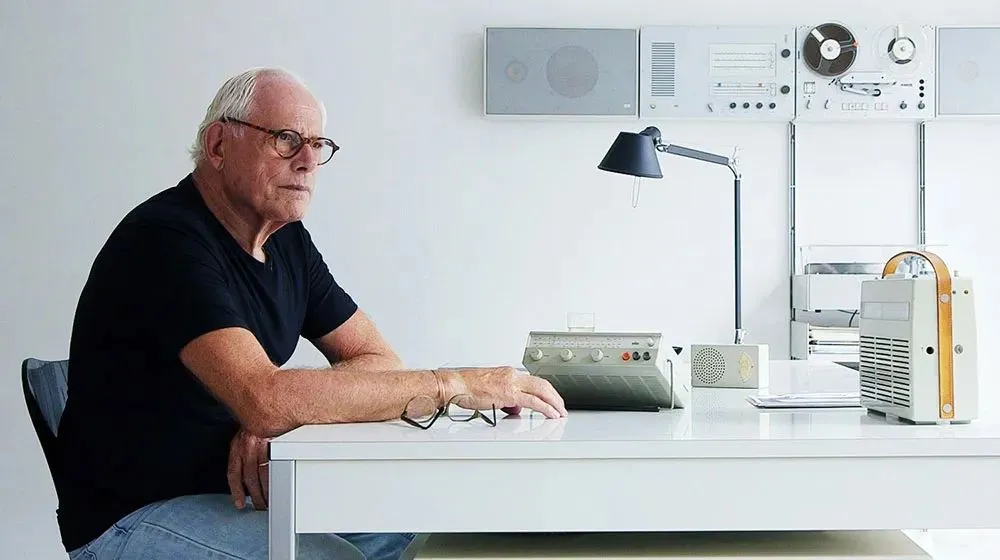
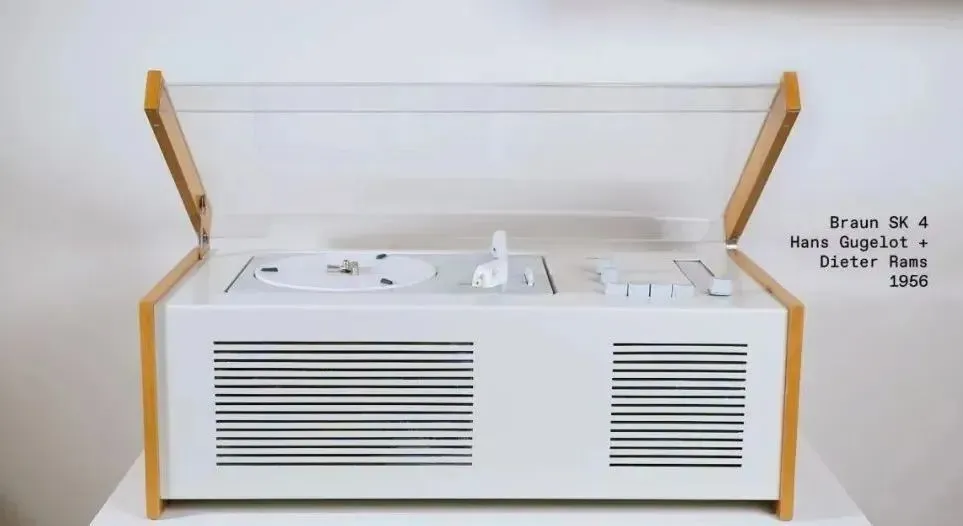
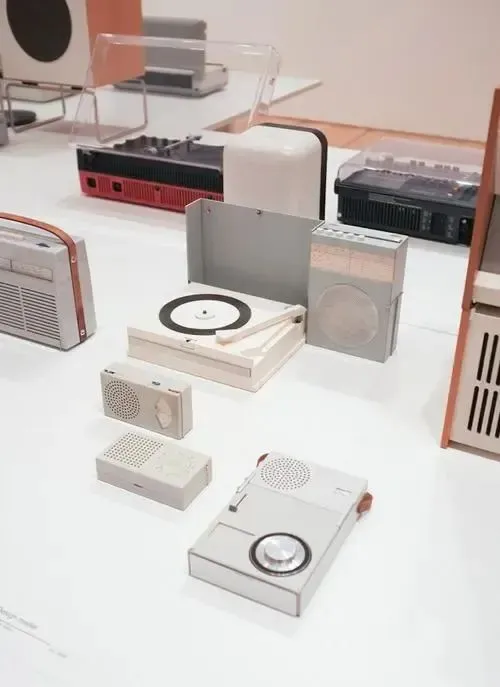
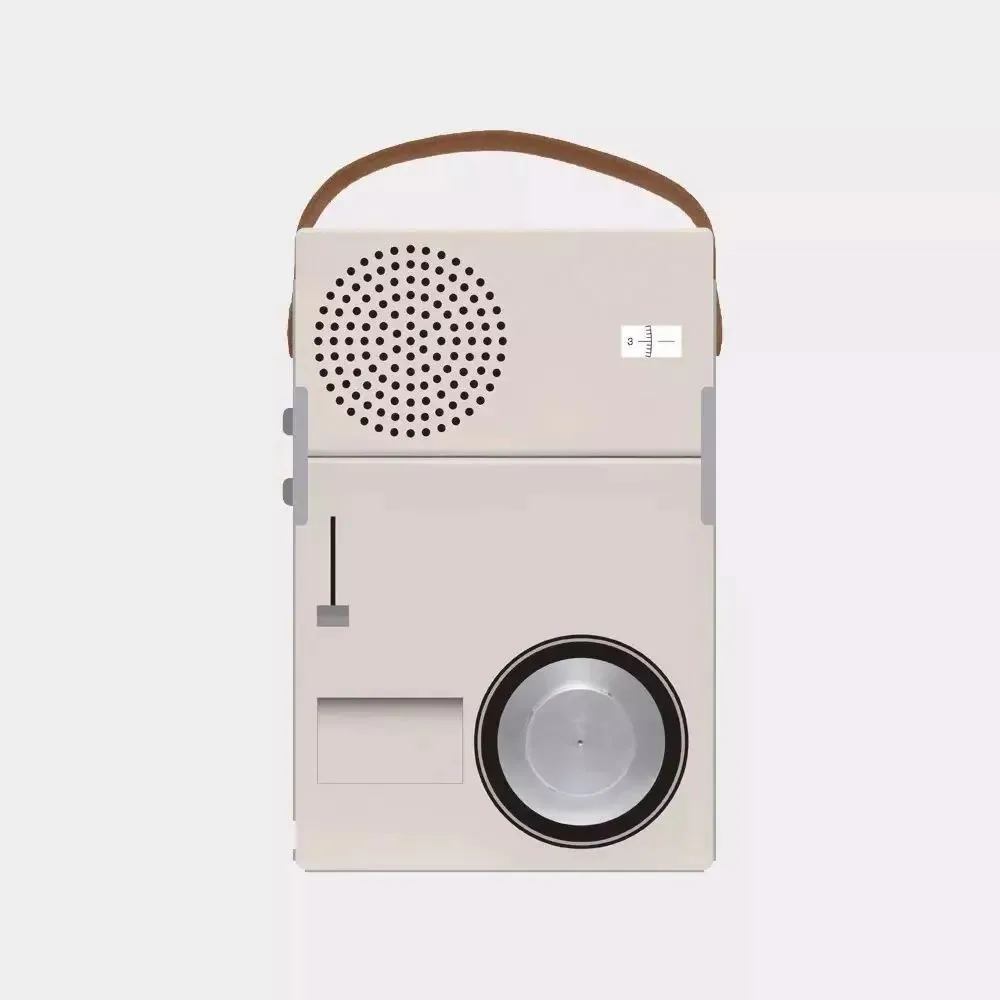
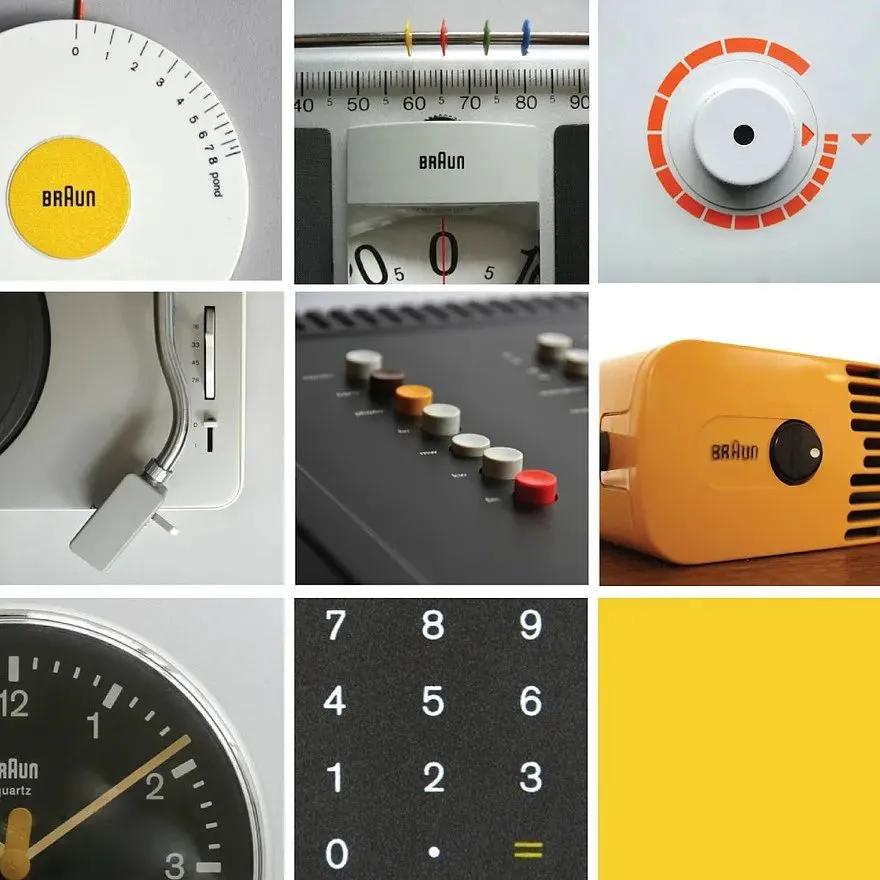
01 Dieter Rams
“Good design is design that is as unnoticed as possible.”
“Design should not dominate things, nor should it dominate people; rather, it should help people. That is its purpose.” He emphasized the service nature of design, clarifying that design should be user-centric and help people live better lives, reflecting his profound understanding of the essence of design.
— Dieter Rams
Father of German Industrial Design


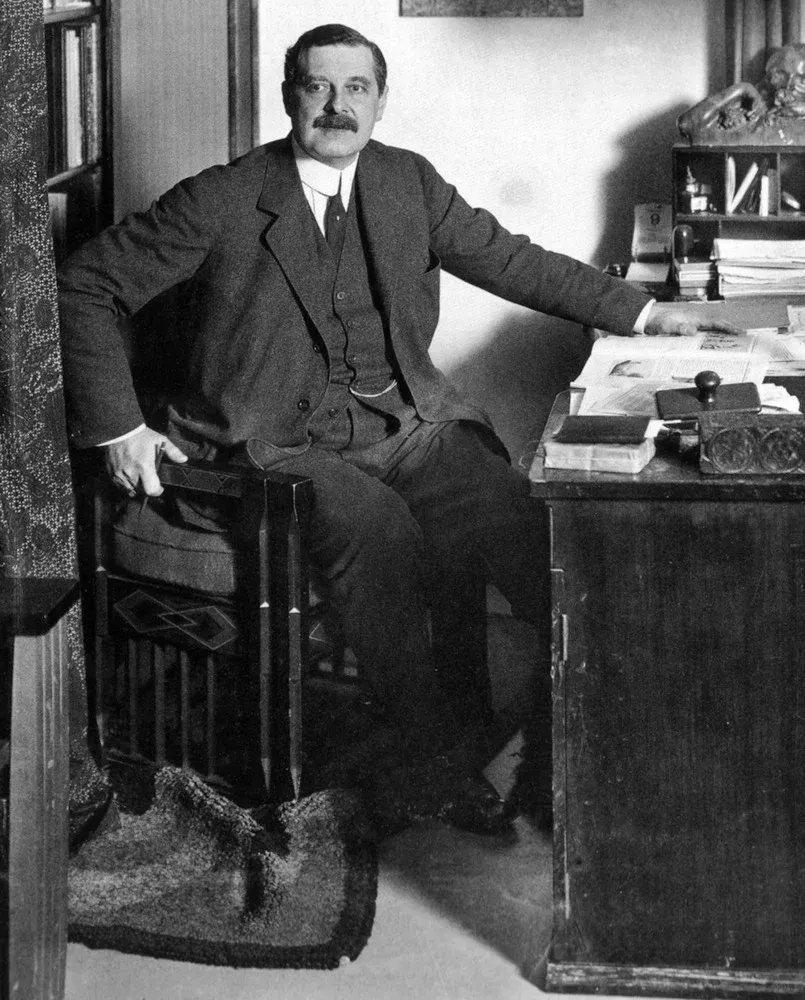
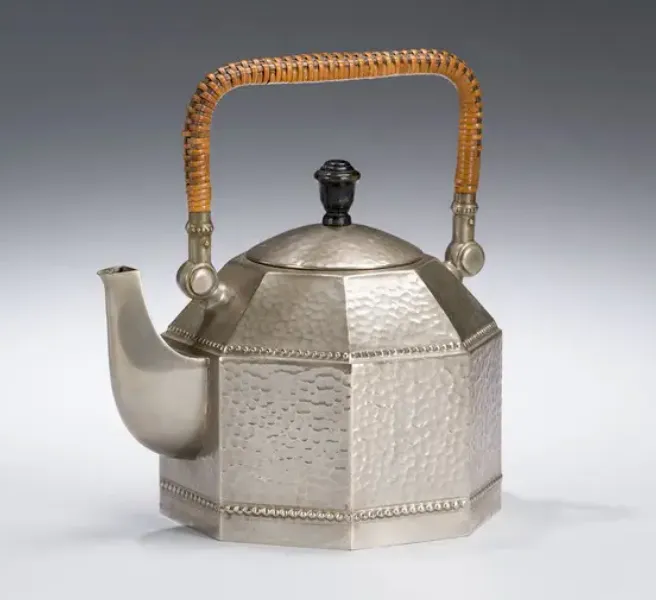
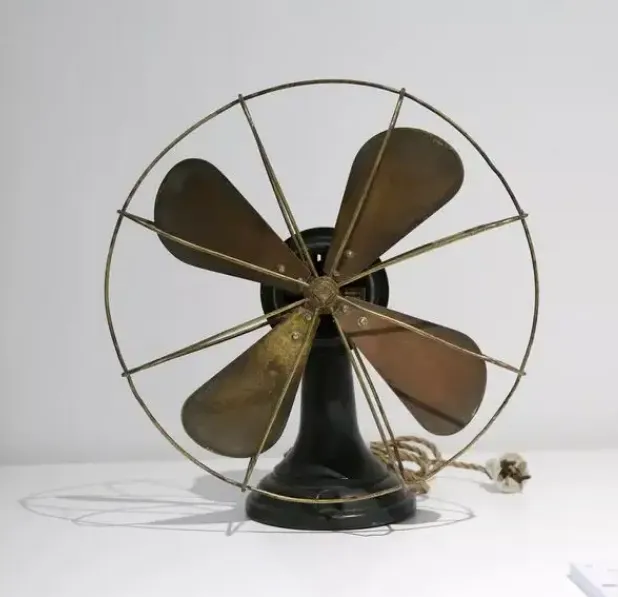
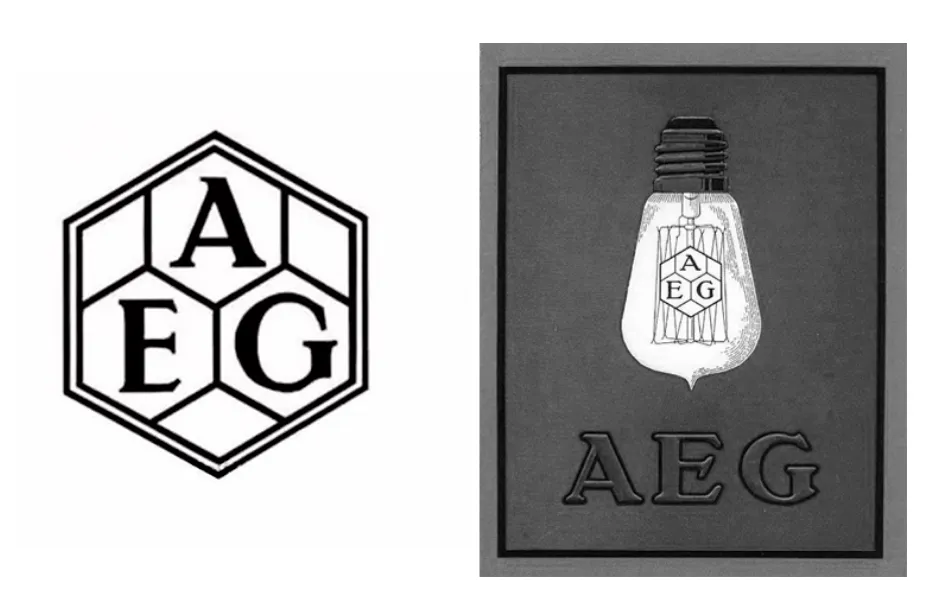
02 Peter Behrens
“Art, crafts, and industry should breathe in unison.”
“Design is not about decorating a functional form, but about creating a form that matches the characteristics of an object and highlights the advantages of new technologies.” Design is not simply about dressing up a product in a fancy way, but about delving into the product’s inherent qualities and cleverly integrating functional requirements with new technologies.
—Peter Behrens
German modern designers
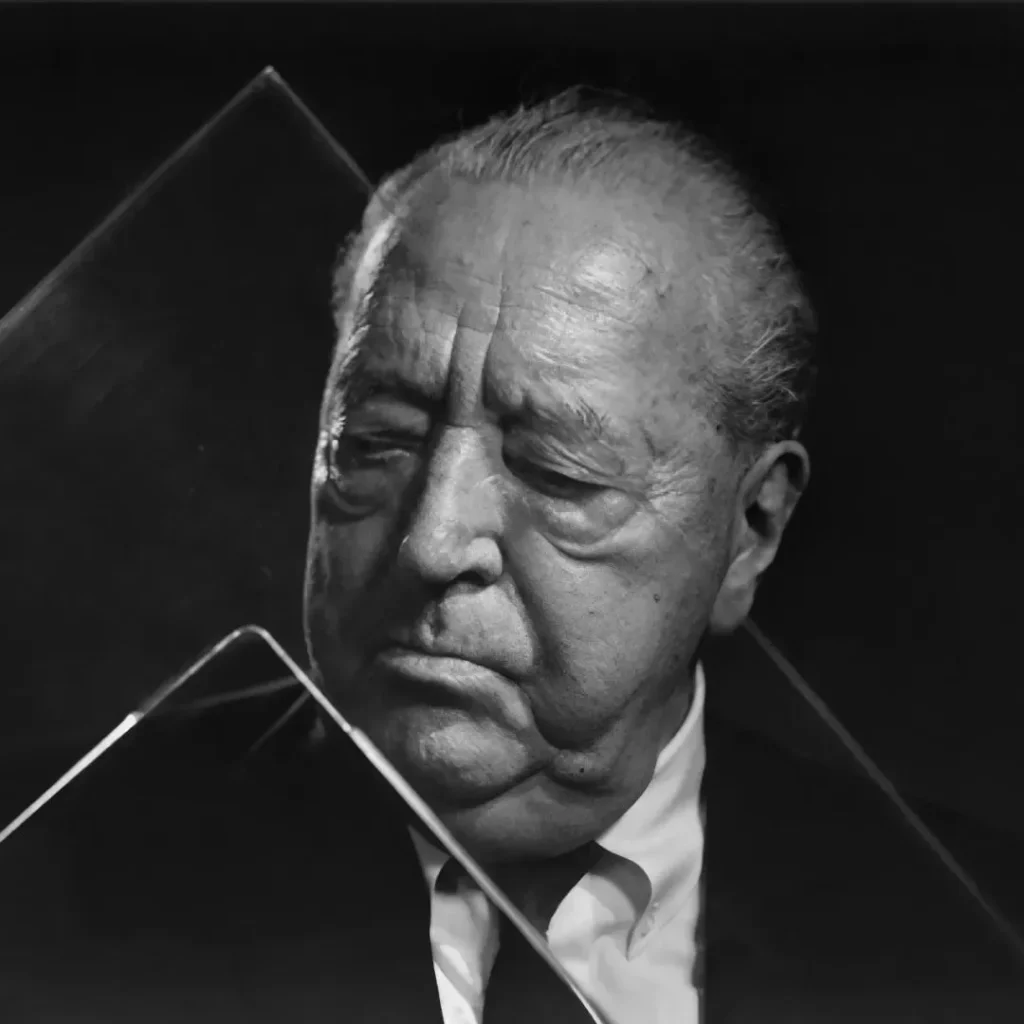
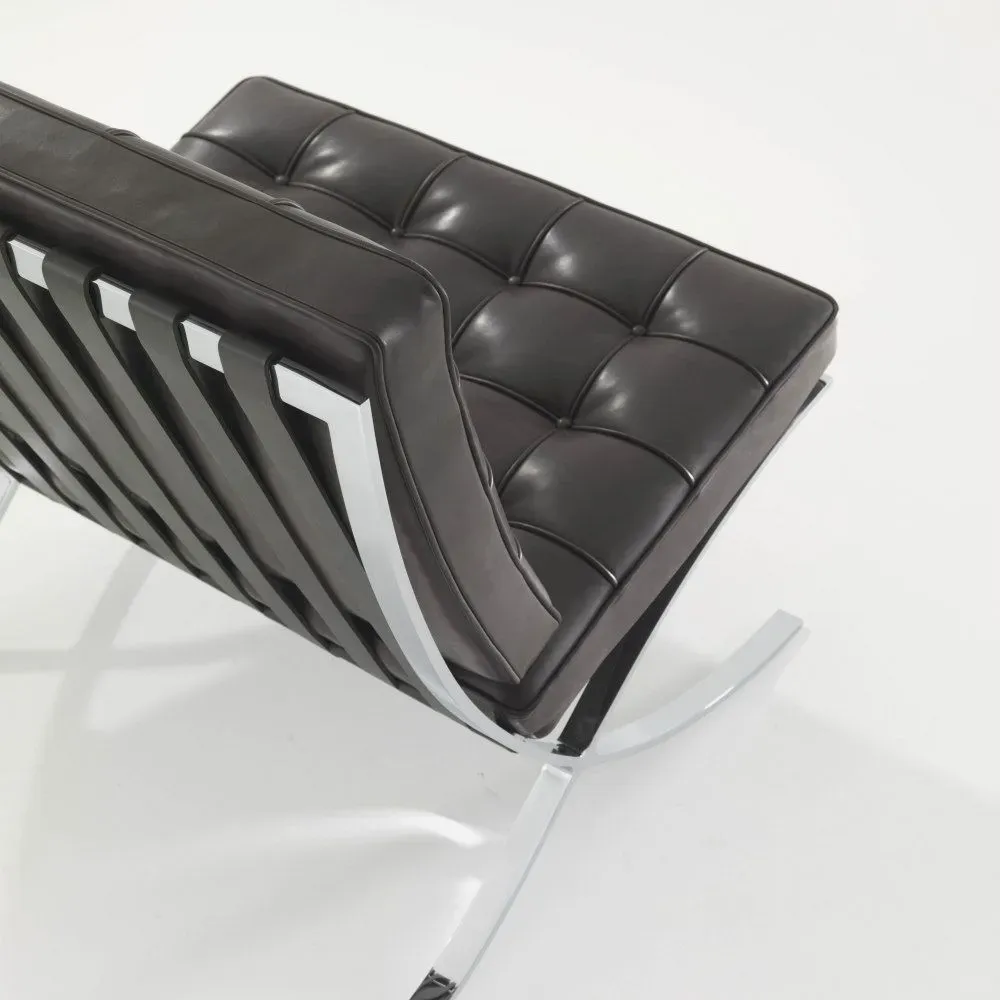
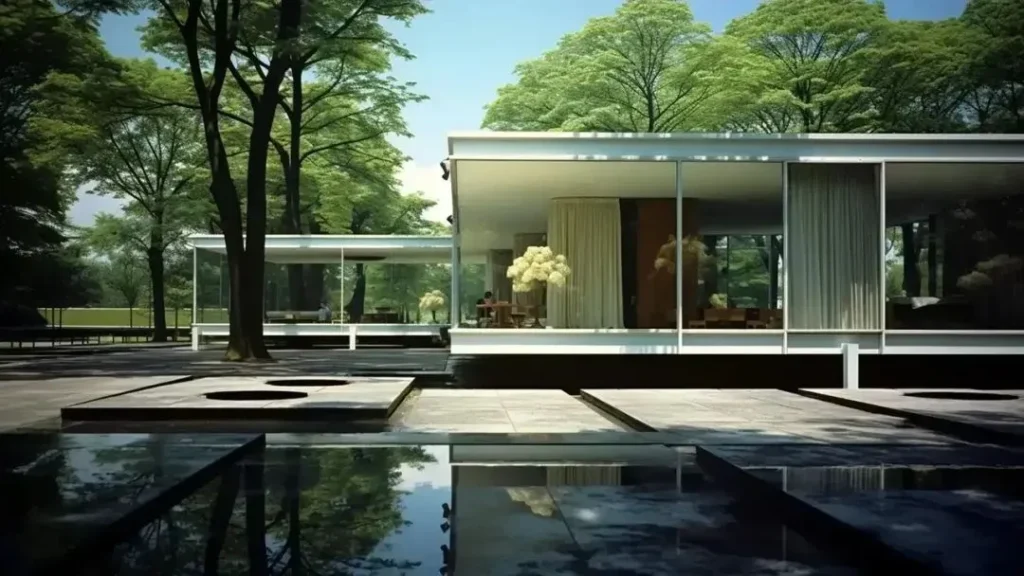
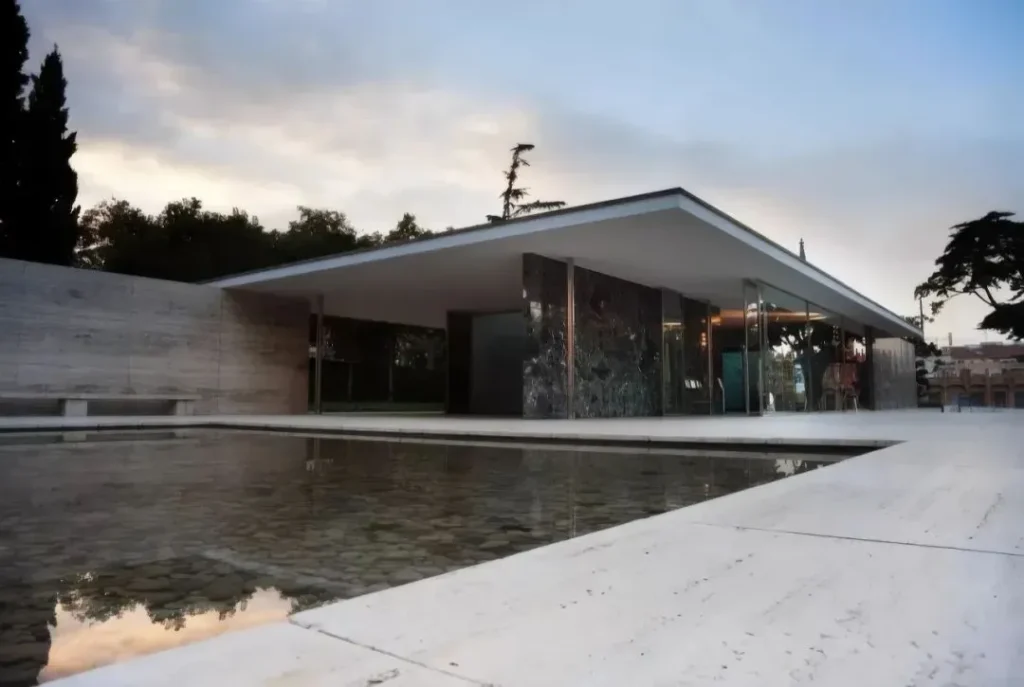
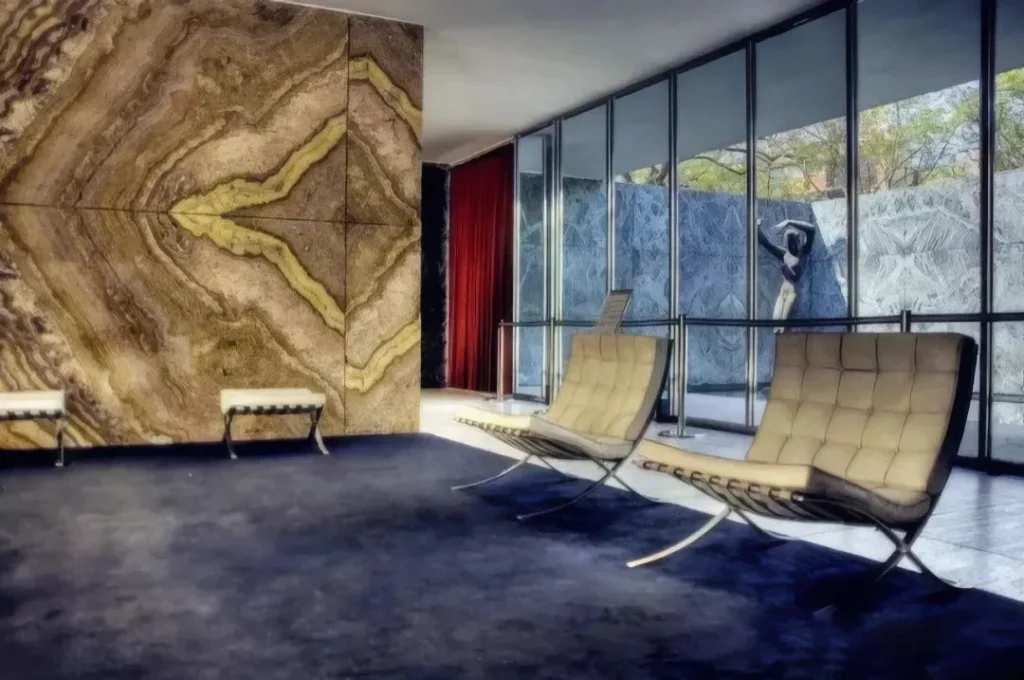
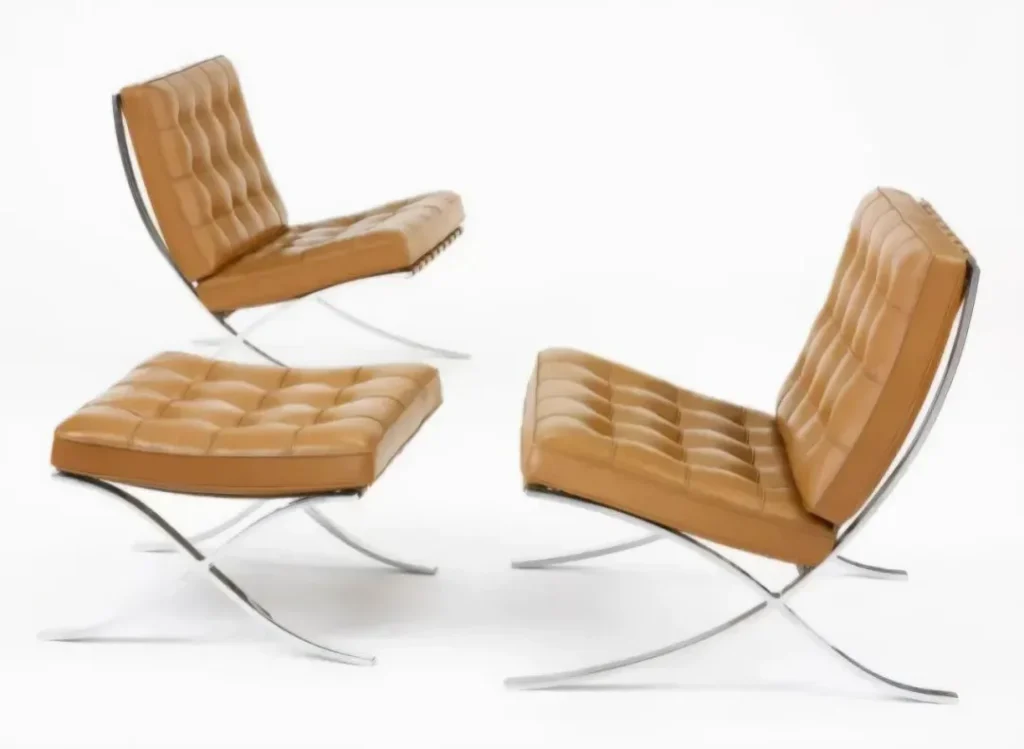
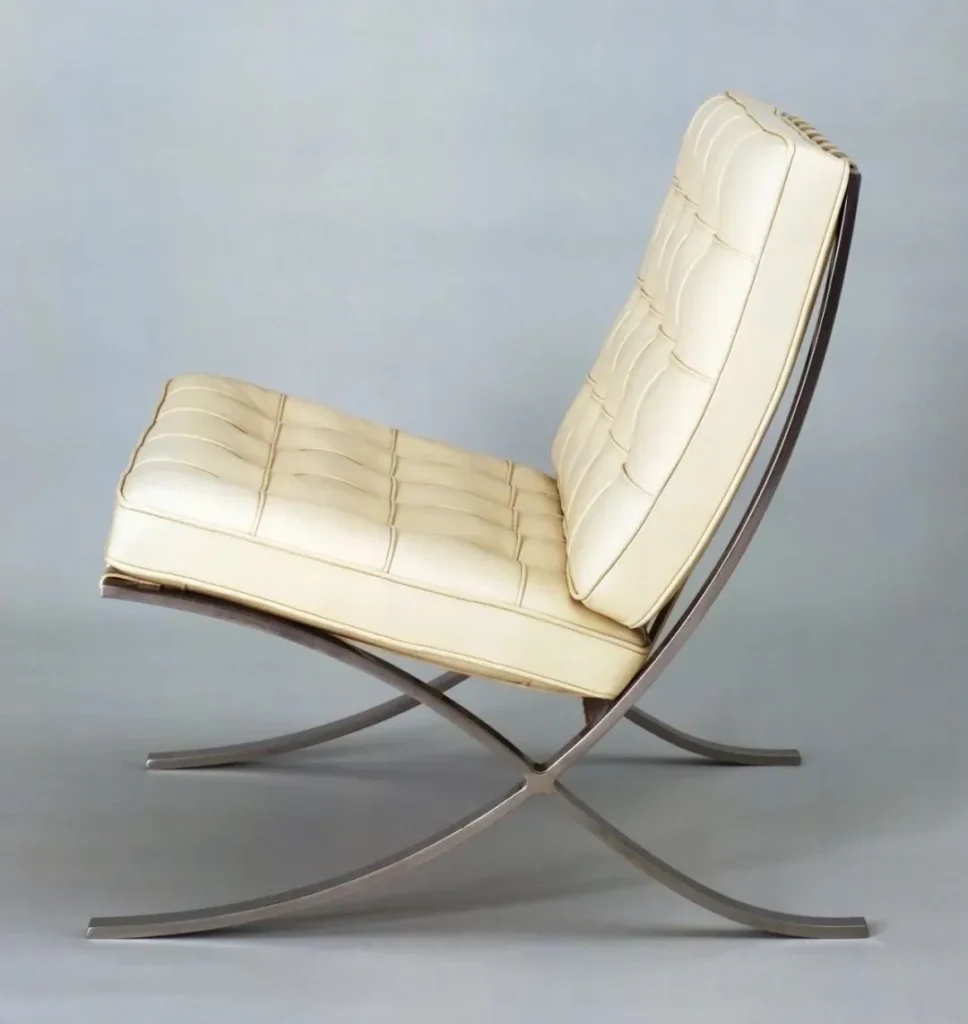
03 Ludwig Mies van der Rohe
Less is more
“God is in the details.” Truly outstanding design requires not only a macro-level overall concept, but also meticulous attention to every minute detail. Only the perfect handling of details can create a great work.
—Ludwig Mies van der Rohe
German modern architectural master
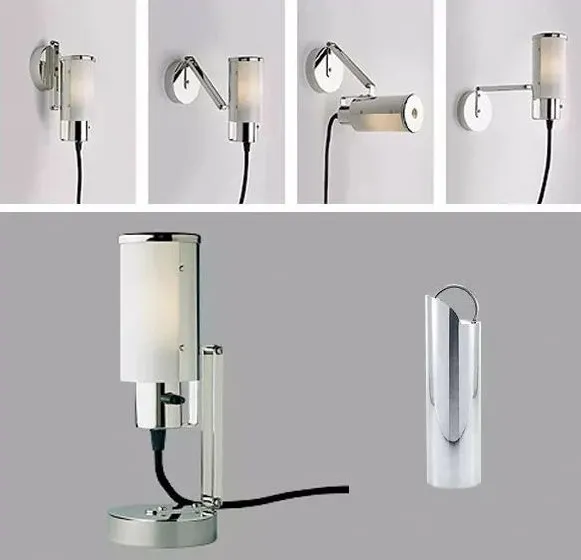
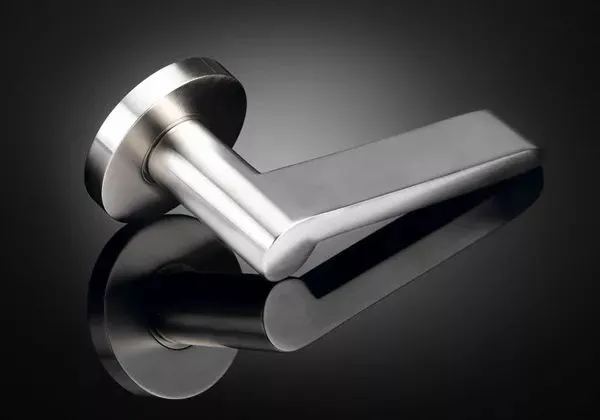
04 William Wagenfield
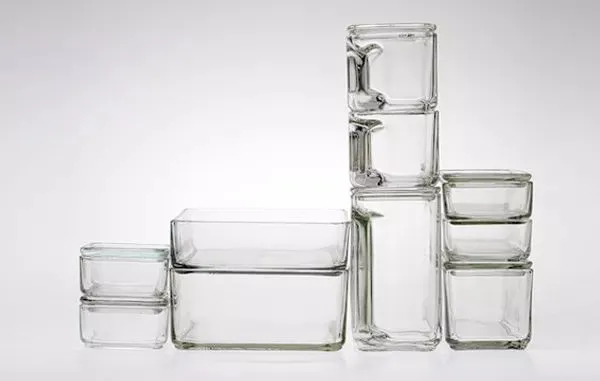
“Products should be both practical and aesthetically pleasing.”
“To surpass others, a product needs a wise maker who can deeply consider its goals, uses, and durability. The search for the right form may raise questions that must be addressed through scientific research, such as in chemical and physical laboratories. The simpler an industrial product is, the more work is required to achieve it.”
—William Wagenfield
German industrial designers


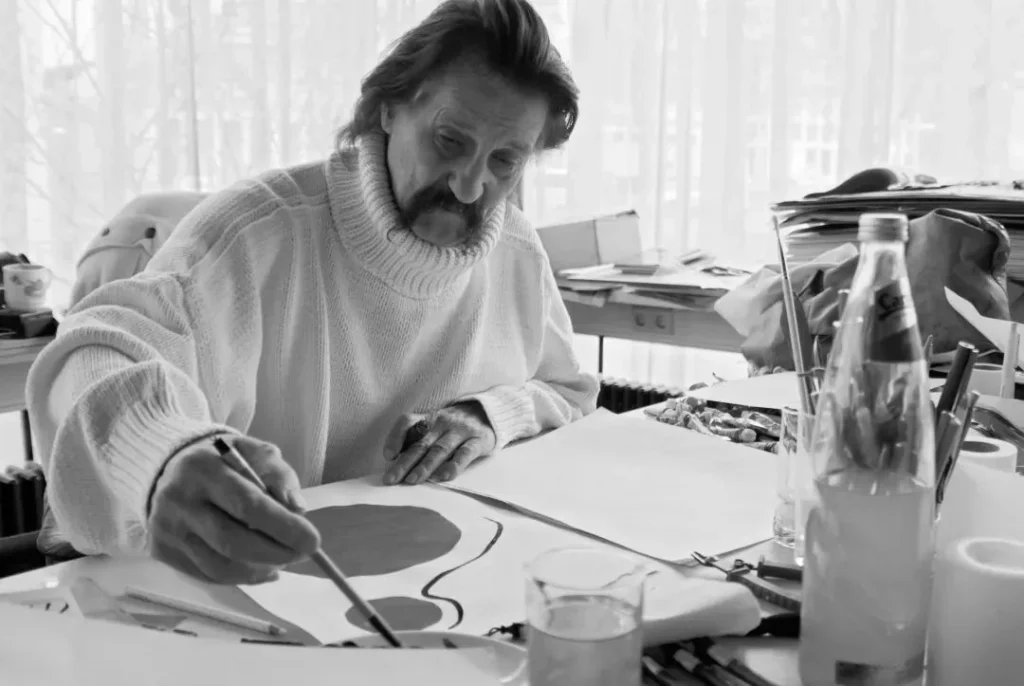
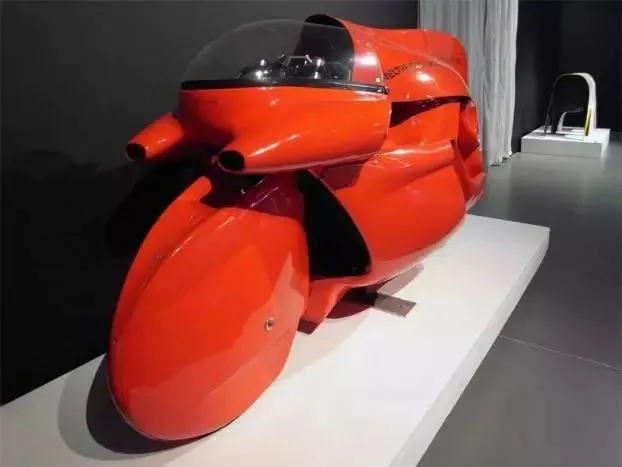
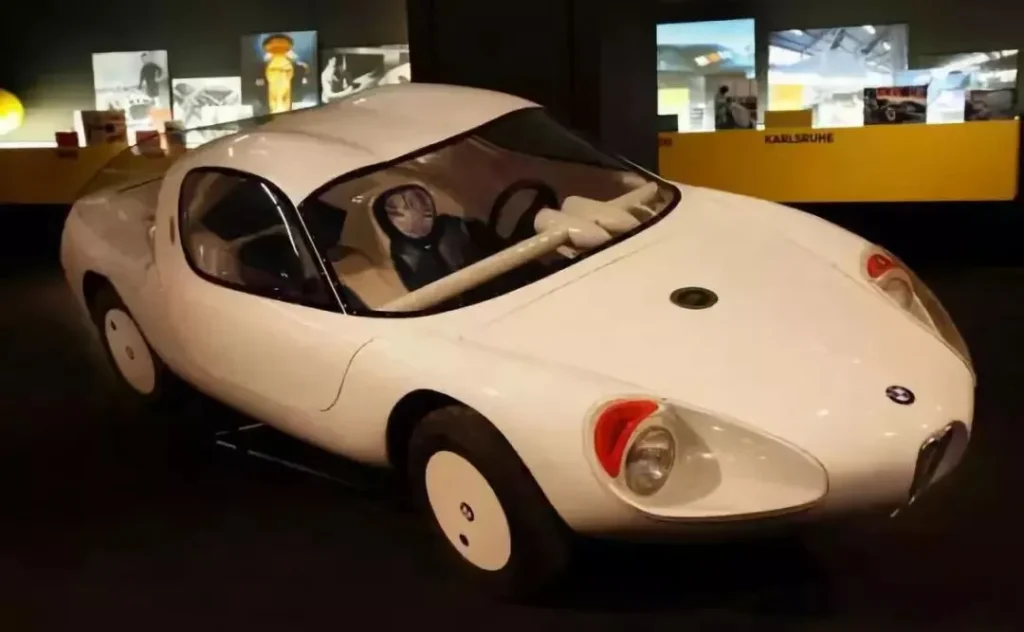
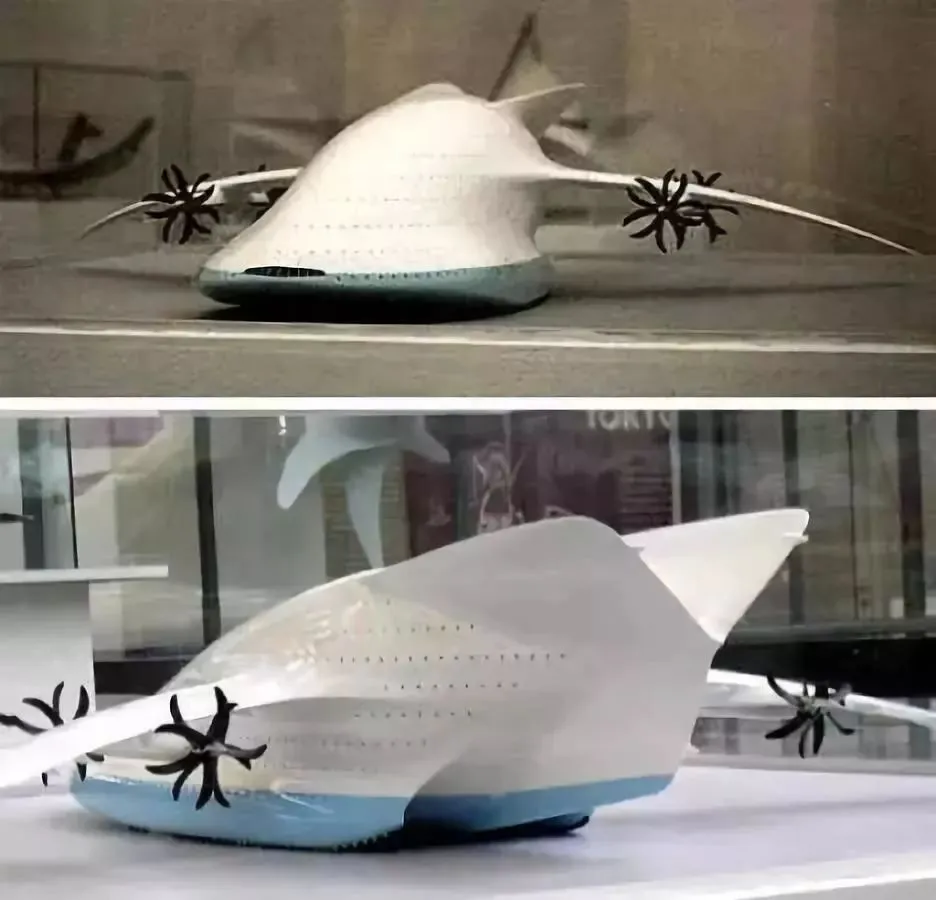
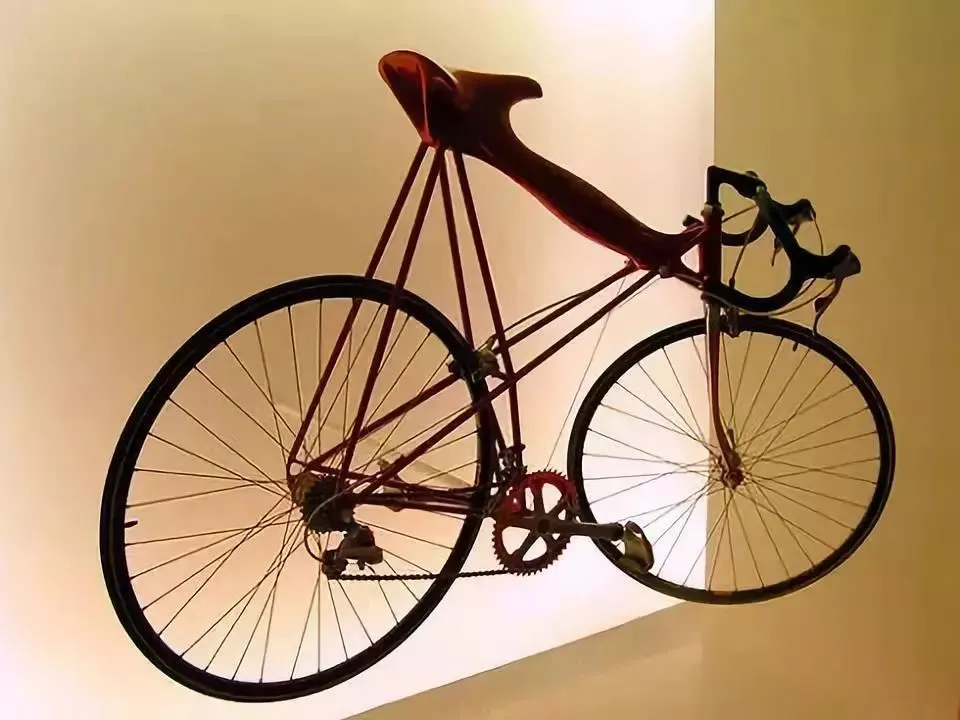
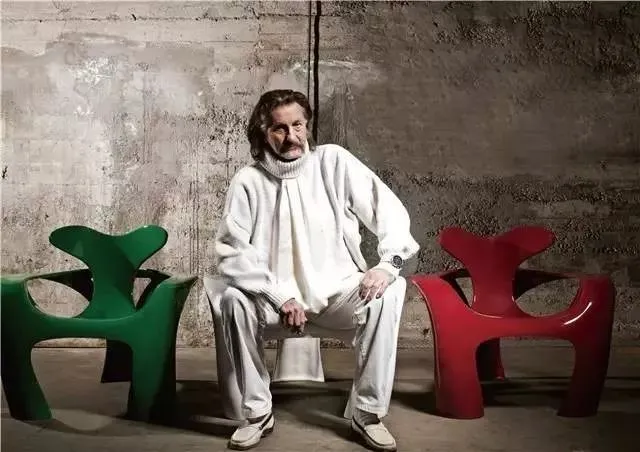
05 Luigi Clani
“When we talk about biomimetic design, we need to accept the simple fact of how incredibly advantageous the structure of a spider web is compared to the vast number of structures made by humans. We should find solutions by drawing on the advantages of nature.”
“75% of designs today are completely outdated. We need to redesign them based on existing materials and knowledge. We have far more to offer than we currently do.”
—Luigi Clani
The “Da Vinci” of the 21st century
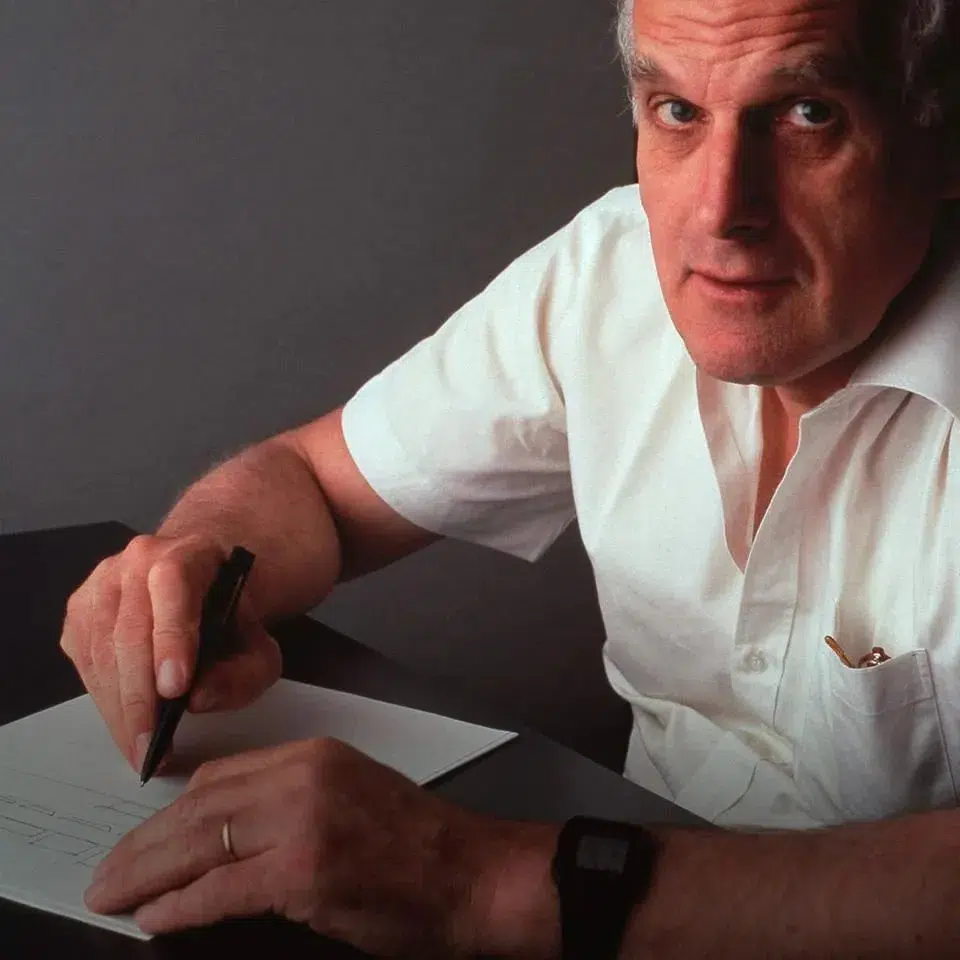
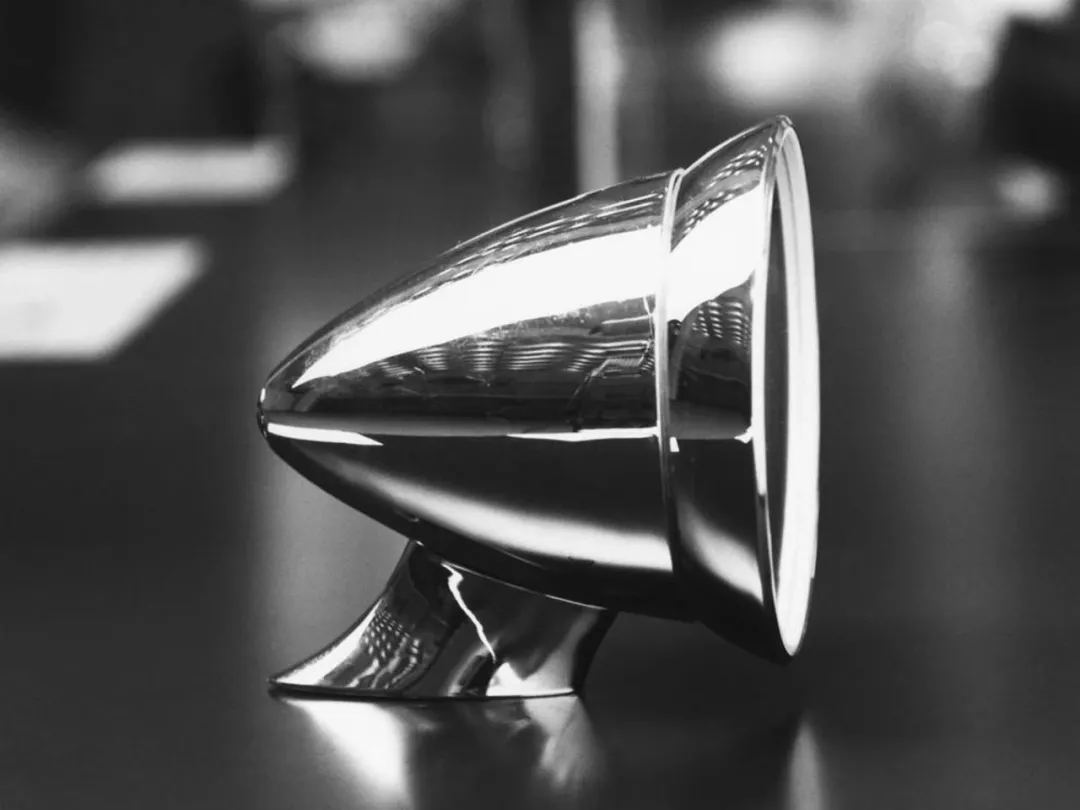
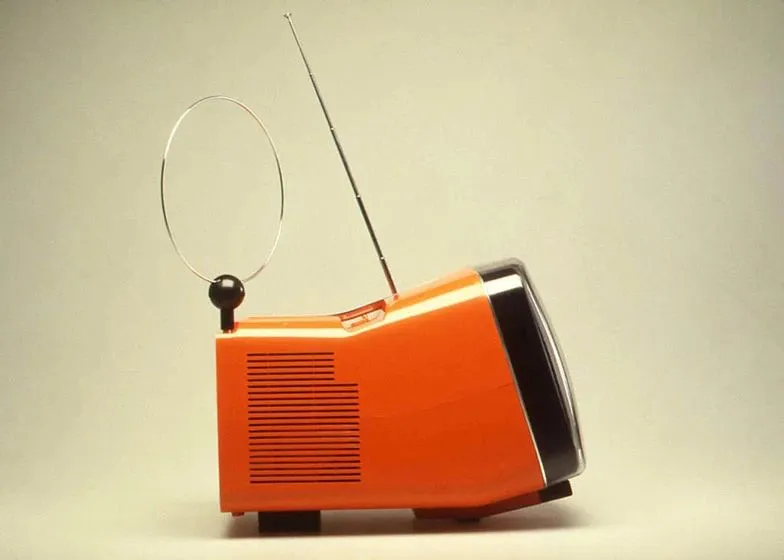
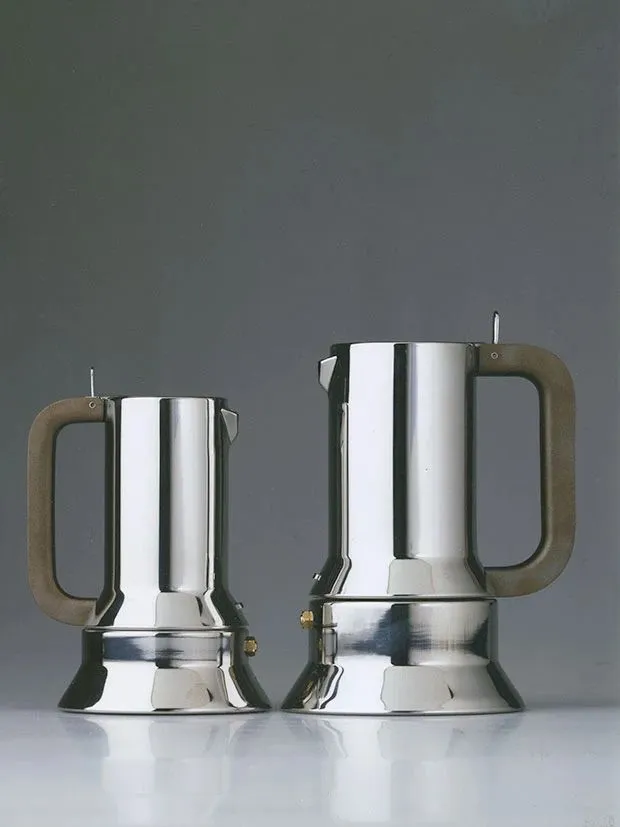
06 Richard Sapper
“Design is a balance, finding the perfect combination between function, aesthetics and technology.”
“Design is never an isolated entity, but rather finds its unique coordinates in the interweaving of history, culture, and technology.” In the creative process, Sapper often says, “The charm of design lies in condensing complex needs into simple and practical forms.”
—Richard Sapper
Famous designer


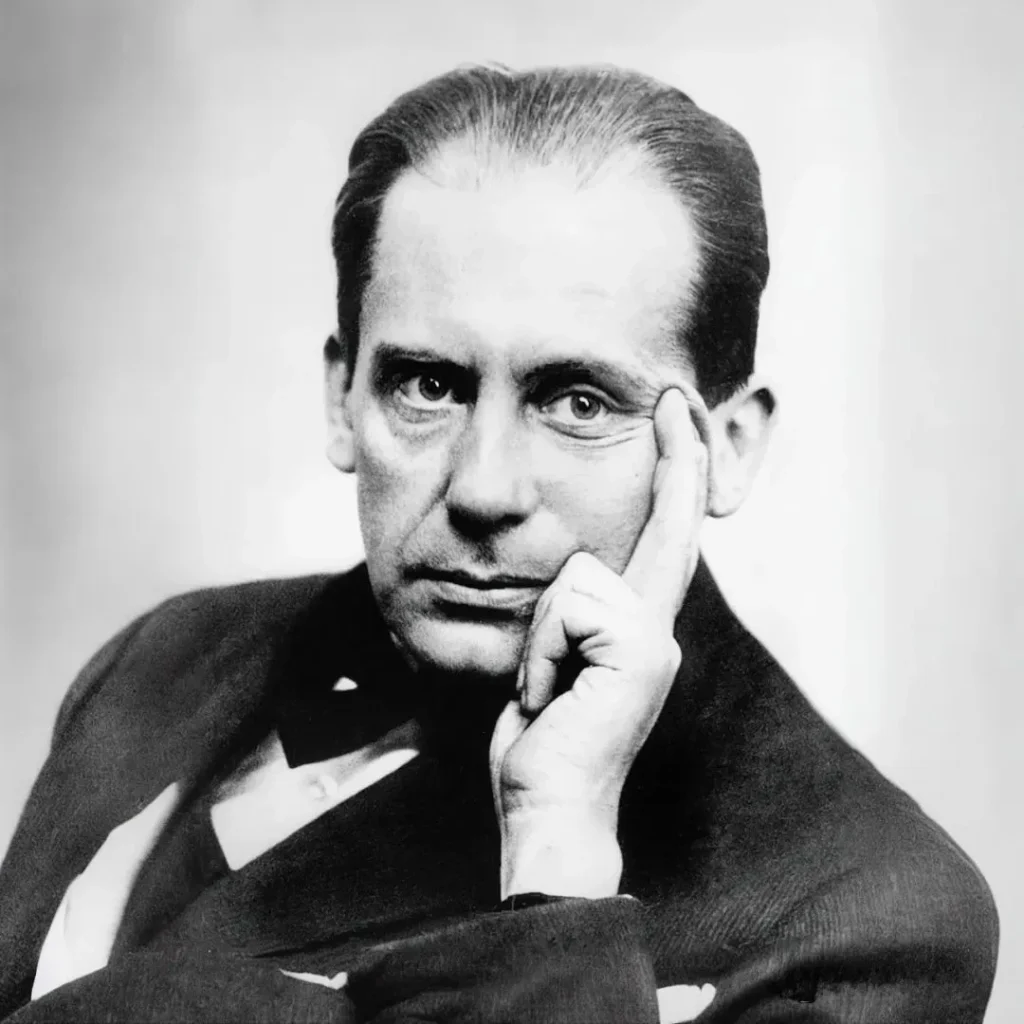
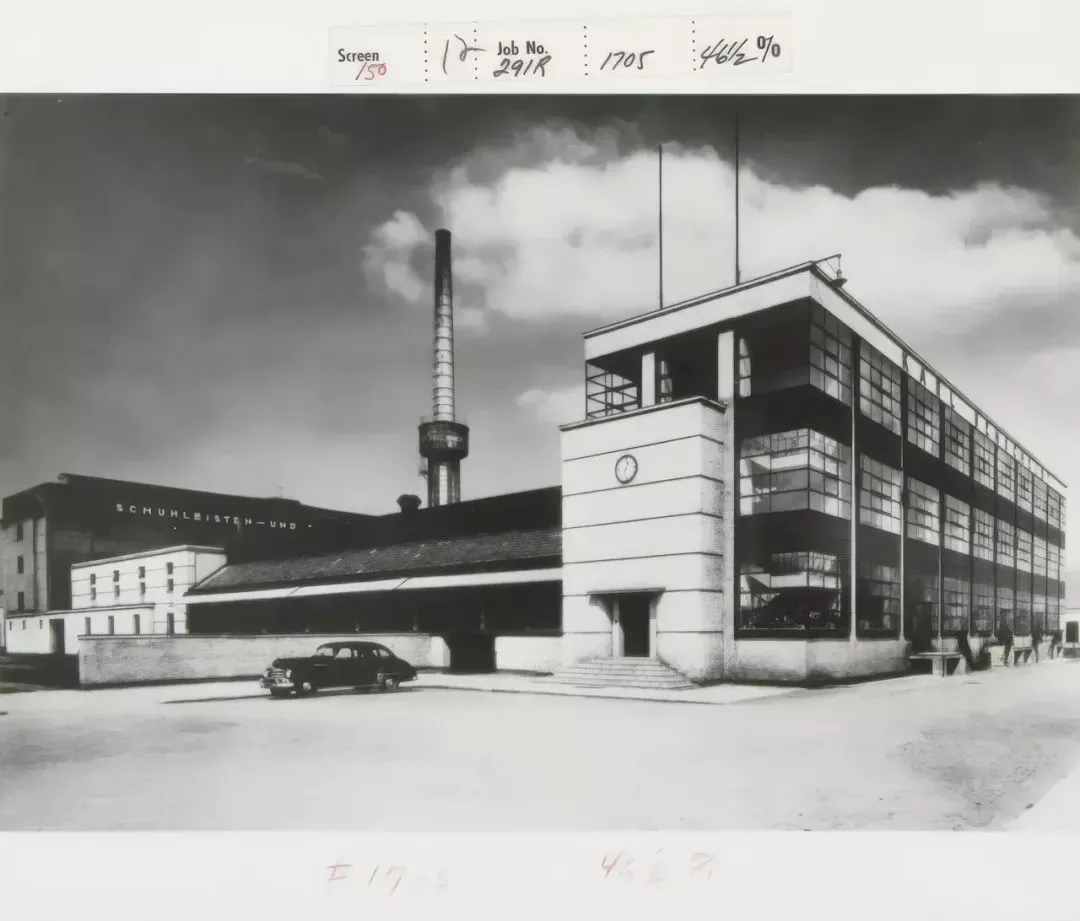
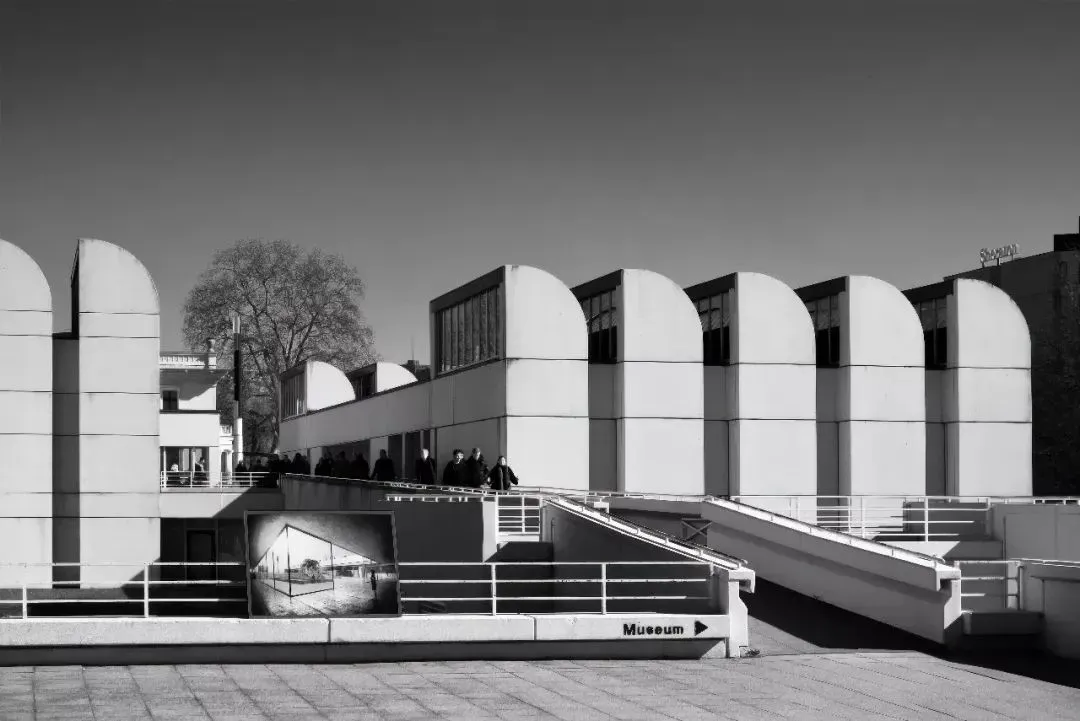
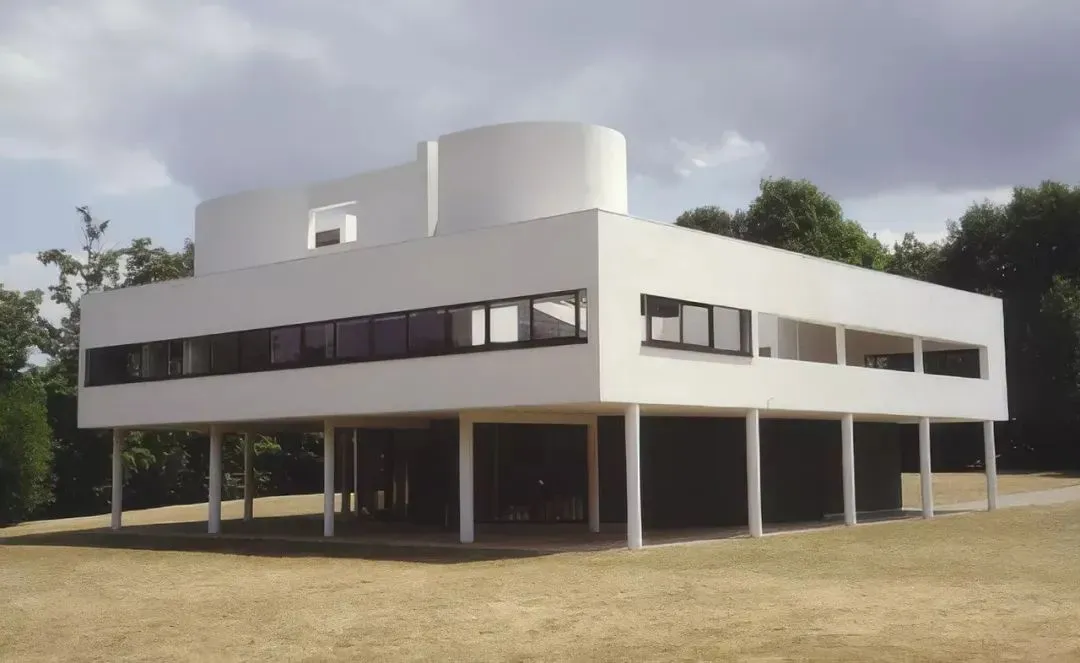
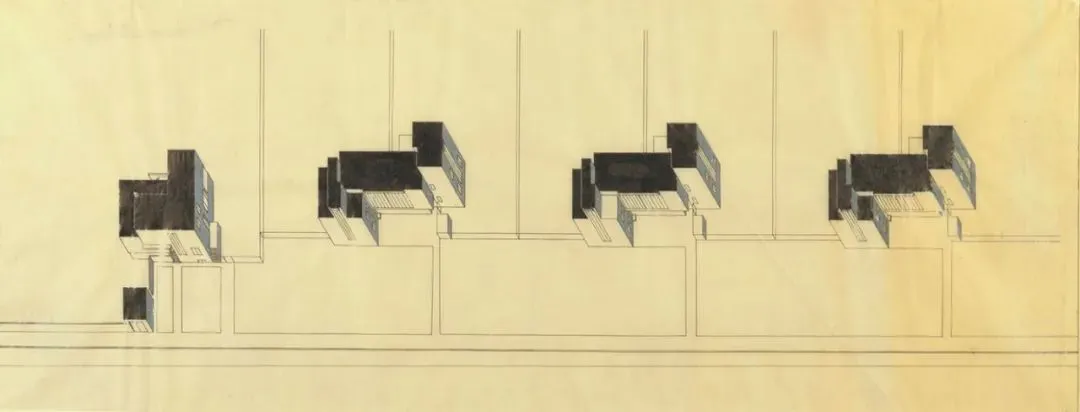
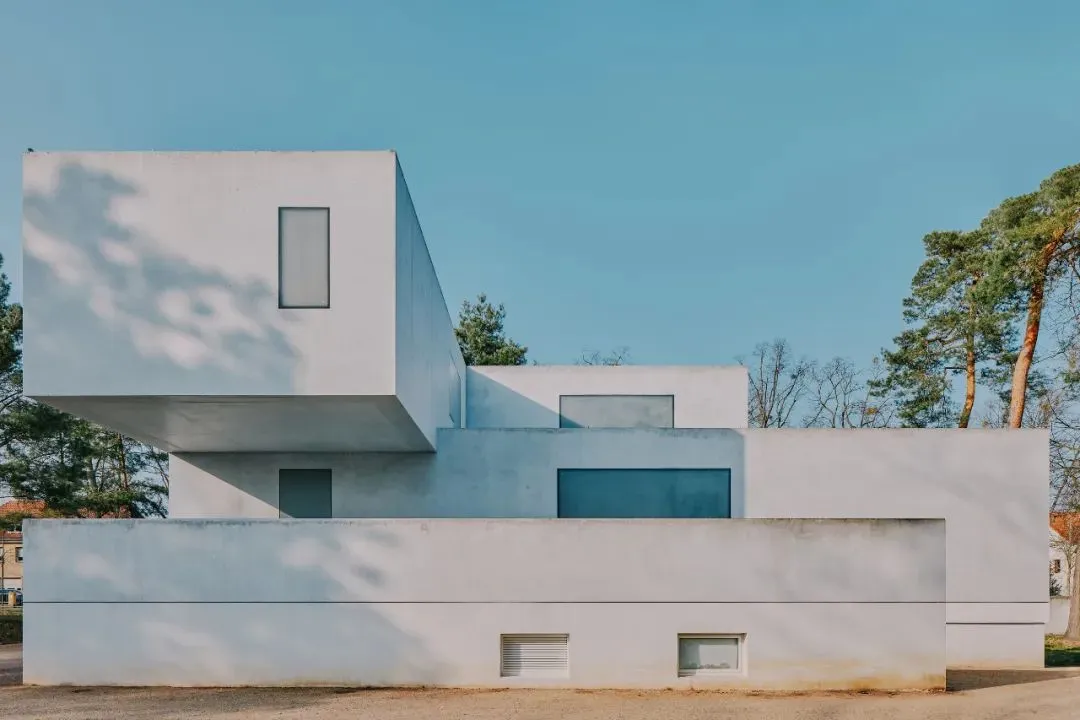
07 Walter Gropius
“The utility of a thing determines its appearance.”
“True tradition is a product of continuous progress; its essence is movement, not stillness. Tradition should drive people forward.”
Tradition should not be a shackle that binds design development, but rather a source of innovation. In his design practice, Walter did not completely abandon tradition, but rather reinterpreted and applied traditional architectural elements and techniques.
— Walter Gropius
famous German designer

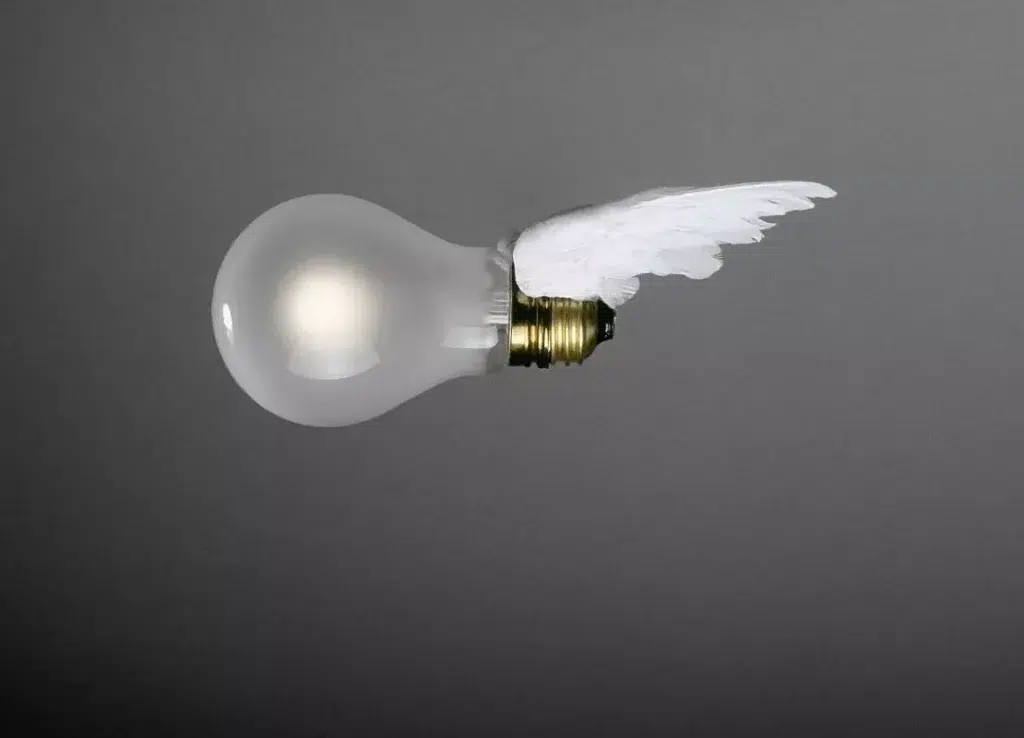
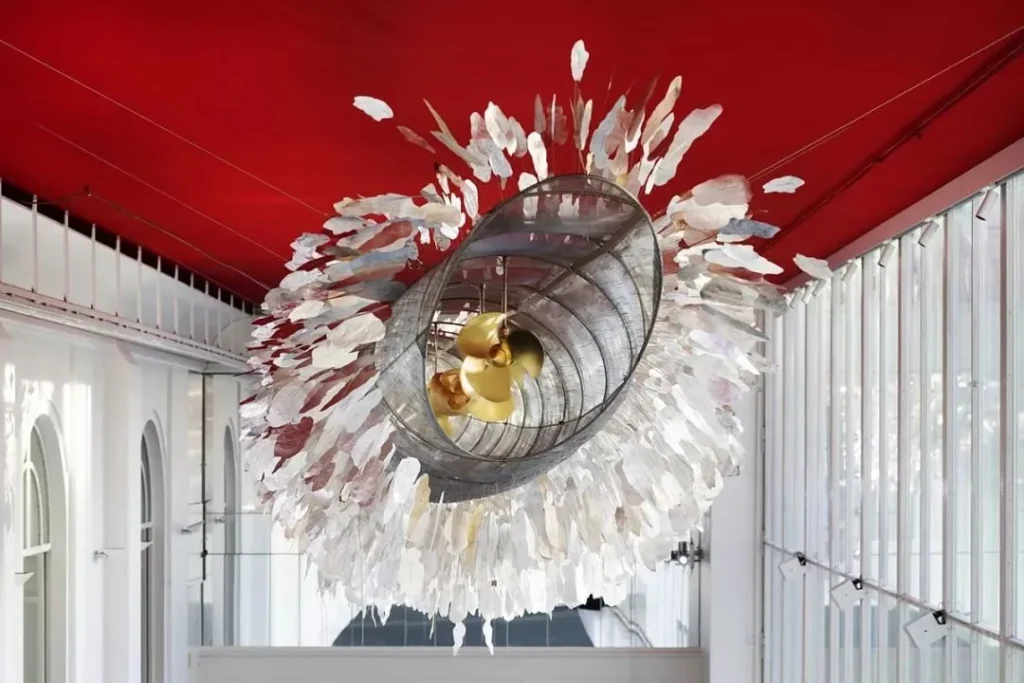
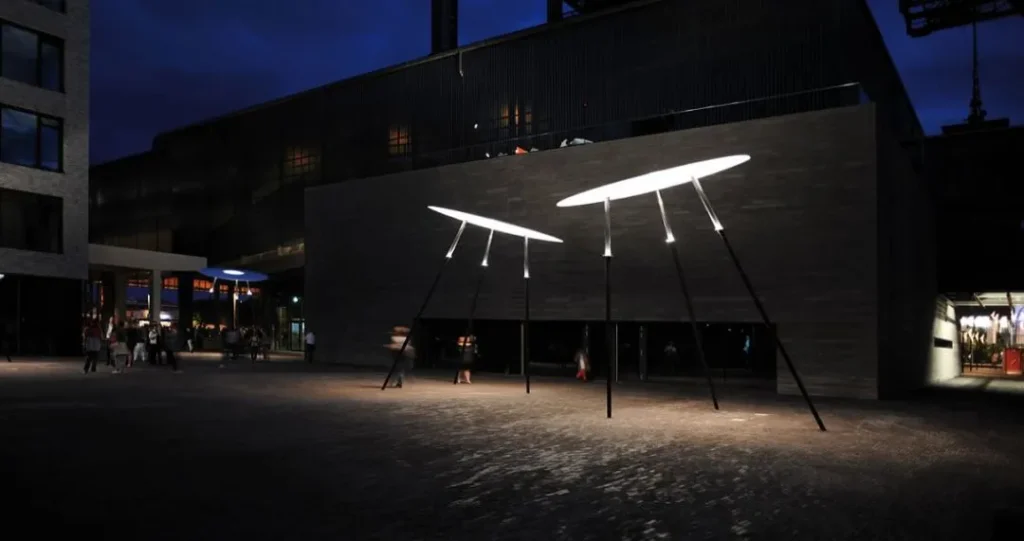
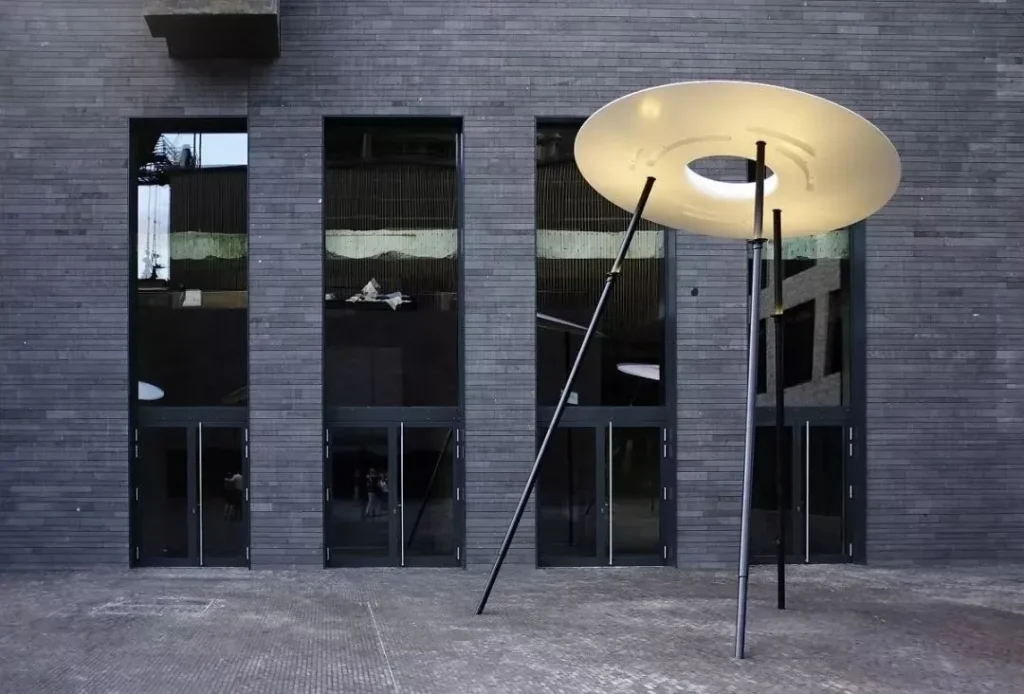
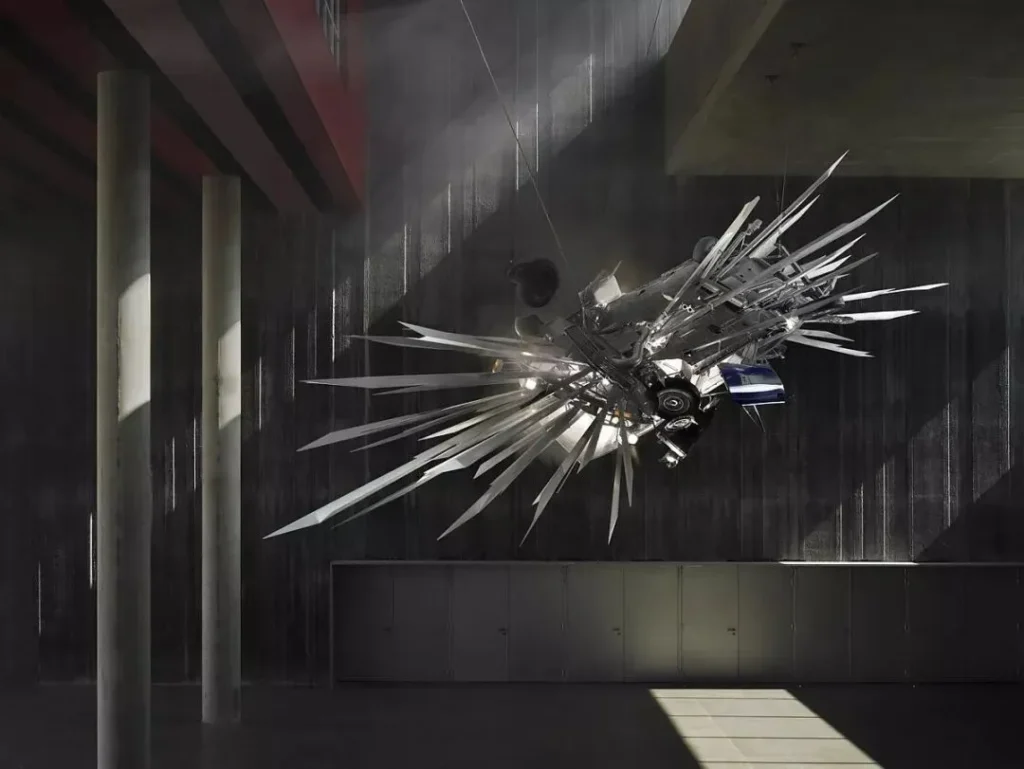
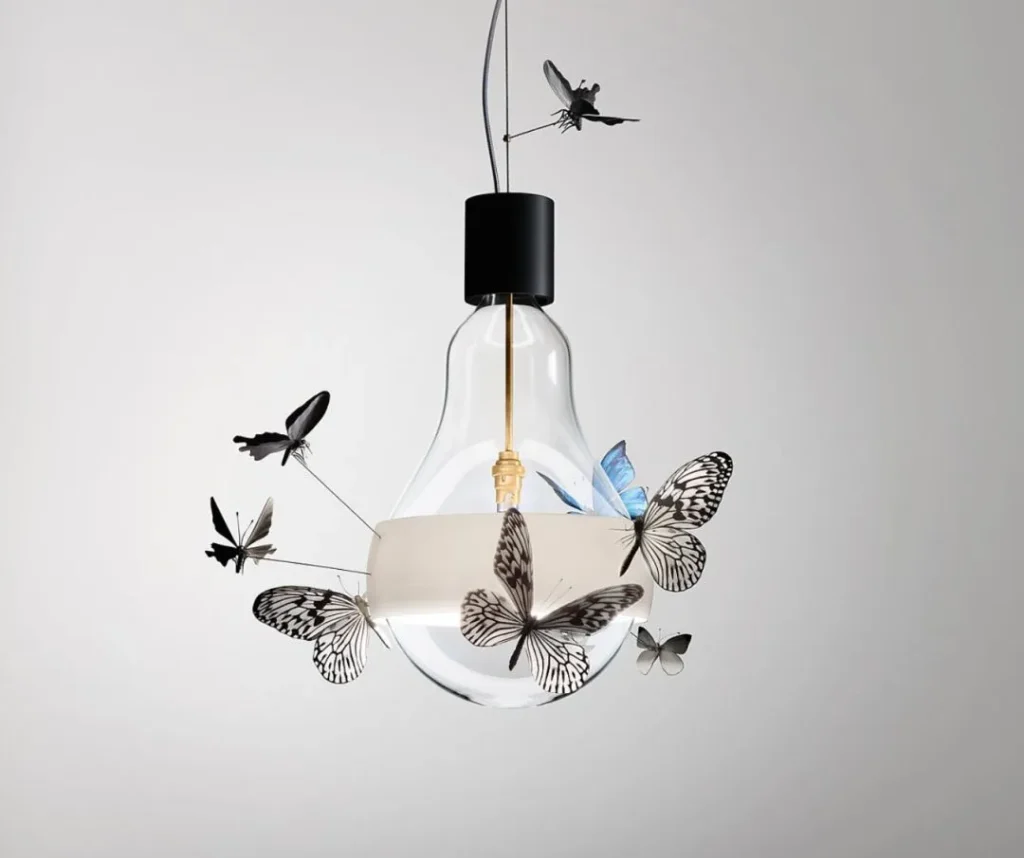
08 Ingo Maurer
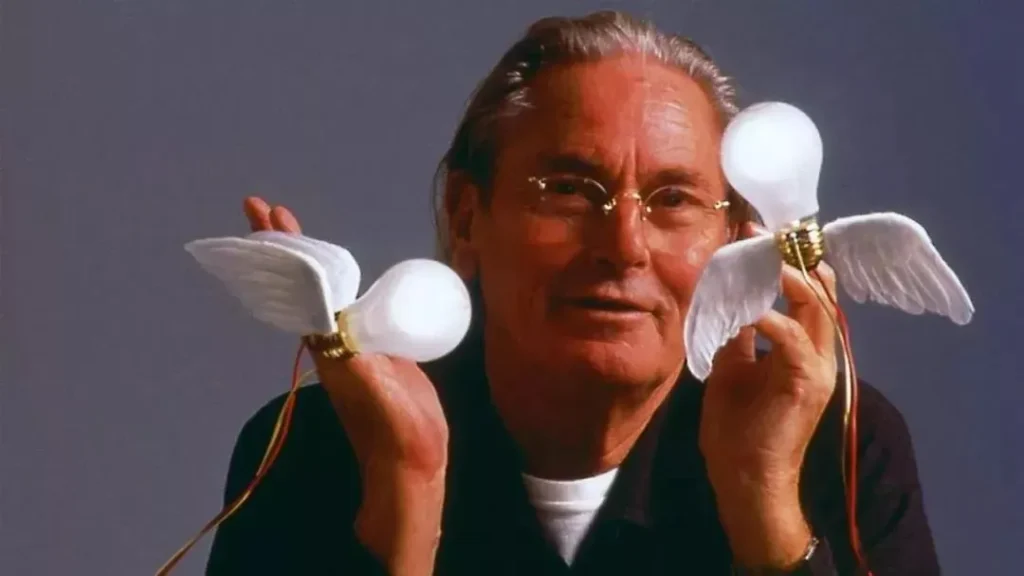
“Light is the soul of space; I am merely the messenger that guides it to reveal its charm.”
“Each lamp is a microcosm, in which the flow and form of light create infinite possibilities.” In his eyes, lamps are not simply industrial products, but microcosms containing infinite creativity and imagination. “As lighting designers, our mission is to capture the soul of light and let it bring warmth and surprise to human life.”
—Ingo Maurer
Poet of Light

09 Lilly Reich
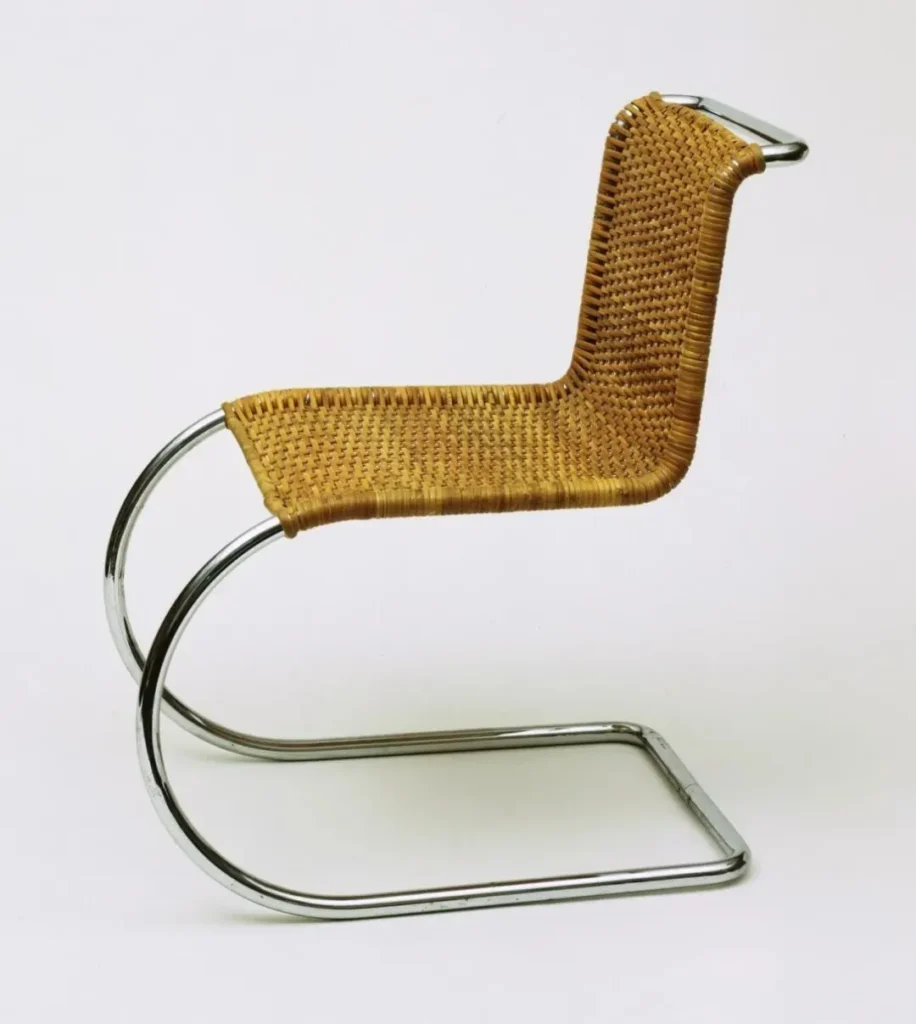
“Design should not be defined by gender, but only by quality.”
“Design should start from the needs of life, and use simple forms to give everyday items a new charm.” In her designs, one can often see the clever borrowing and improvement of traditional design elements. “Innovation is not about blindly pursuing novelty and difference, but about breaking through by combining the needs of the times with the inheritance of classics.”
— Lily Leisch
Modernist designers

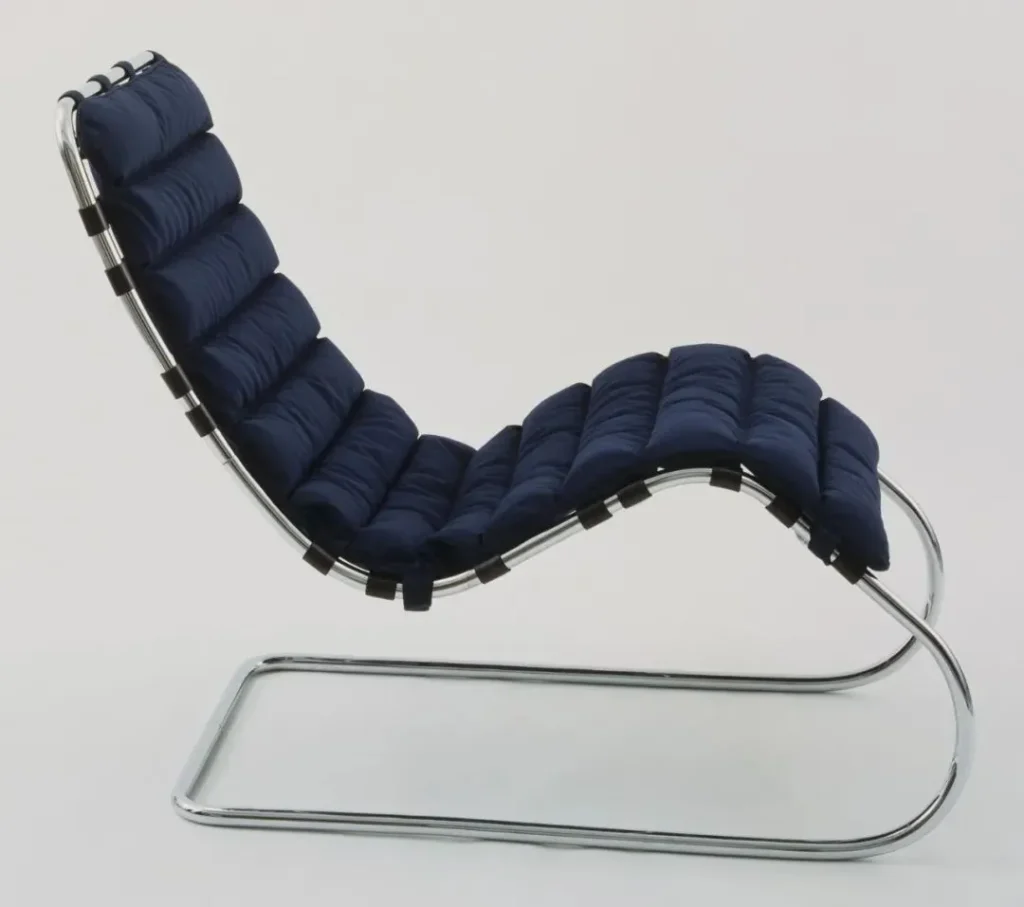
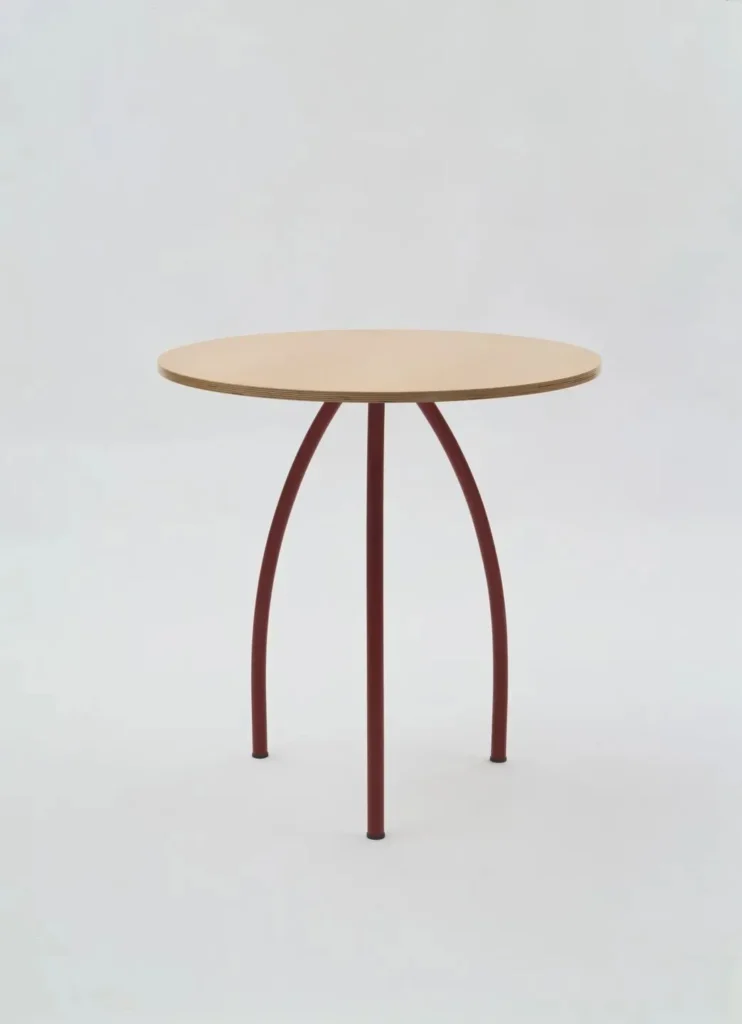
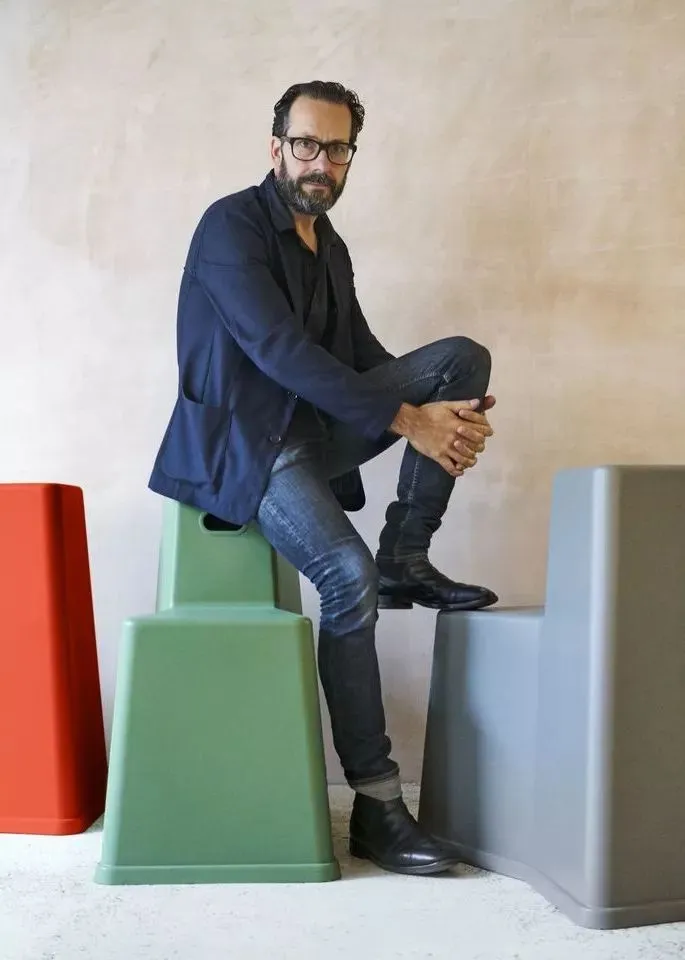
10 Konstantin Grcic
“Design is not sculpture, but a dialogue with the user’s behavior.”
“For me, a good design also needs to have a precious spiritual connotation.”
Glick believes that design is not just about appearance and practical function, but also about spiritual value that can touch people’s hearts.
— Constantine Glick
Minimalist Master