
General steps for selecting CNC cutting fluid
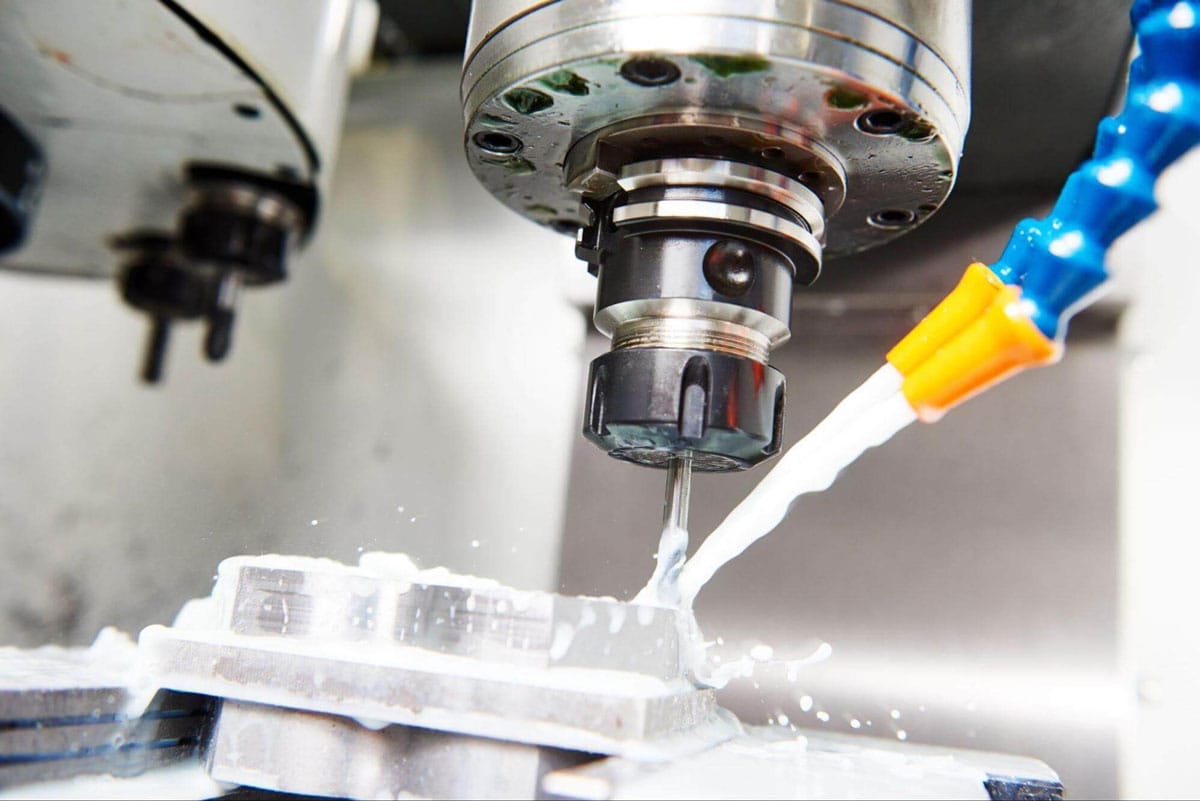
The selection of cutting fluid must be determined by considering comprehensive factors such as machine tools, cutting tools, and processing technology, as shown in the figure.
Before selecting cutting fluid according to the processing method and required accuracy, restrictions such as safety and waste liquid disposal are set. These items can be used to determine whether to choose oil-based cutting fluid or water-based cutting fluid.
If fire prevention and safety are important, water-based cutting fluids should be considered. When choosing a water-based cutting fluid, wastewater discharge should be considered, and the company should have wastewater treatment facilities. Some processes, such as grinding, generally only use water-based cutting fluids. For cutting processes using carbide tools, oil-based cutting fluids are generally considered.
Some machine tools require oil-based cutting fluids for high-speed operation. Avoid switching to water-based cutting fluids to avoid affecting the machine’s performance. By weighing these factors, you can determine whether to use an oil-based or water-based cutting fluid. After determining the primary cutting fluid, you can proceed to the second step based on the machining method, required machining accuracy, surface roughness, and other factors, as well as the characteristics of the cutting fluid.
This is followed by an evaluation to determine whether the selected cutting fluid meets the desired requirements. If any issues are identified during the evaluation, feedback will be provided to identify the cause and address any improvements, ultimately leading to a clear decision.
Applicable occasions for oil-based and water-based cutting fluids
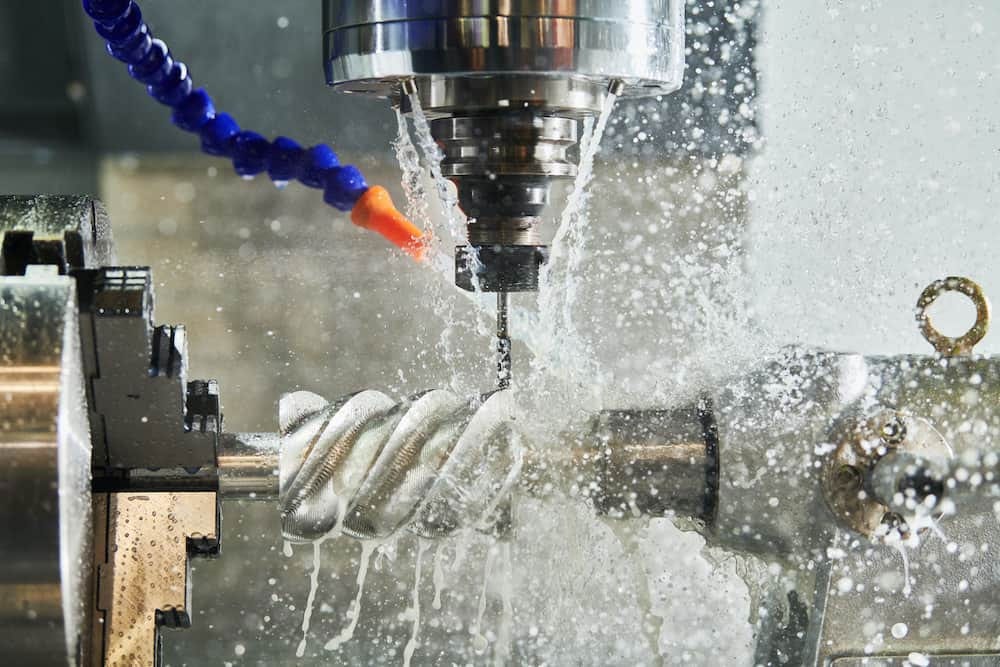
There are many types of cutting fluids with good and bad performance. Improper selection will lead to adverse consequences. Generally, water-based cutting fluids should be used in the following situations:
① Places where oil-based cutting fluids may cause fire hazards;
② High-speed and large-feed cutting causes high temperature, intense smoke and fire hazard in the cutting area.
③ Considering the flow of previous and subsequent processes, it is required to use water-based cutting fluid.
④ Where it is desired to reduce the pollution and dirt around the machine tool caused by oil splash, oil mist and diffusion surface, so as to keep the operating environment clean.
⑤ Considering the price, for some easy-to-process materials and cutting processing with low requirements on workpiece surface quality, the use of general water-based cutting fluid can meet the use requirements and can greatly reduce the cost of cutting fluid.
The following situations should consider choosing oil-based cutting fluid:
① When the durability of the tool plays a large role in the economy of cutting (such as the tool is expensive, sharpening the tool is difficult, and the loading and unloading auxiliary time is long, etc.).
② The machine tool has high precision and water is absolutely not allowed to mix in (to avoid corrosion).
③ Where the lubrication system and cooling system of the machine tool are easily connected and where there is no waste liquid treatment equipment and conditions.
Cutting fluid precautions
(1) The cutting fluid should have no irritating odor and contain no additives harmful to the human body to ensure the safety of the user.
(2) The cutting fluid should meet the requirements of equipment lubrication and protection management, that is, the cutting fluid should not corrode the metal parts of the machine tool, damage the machine tool seals and paint, and leave no hard colloidal sediment on the machine tool guide rails, ensuring the safety and normal operation of the equipment.
(3) The cutting fluid should ensure the anti-rust oil effect between workpiece processes and not corrode the workpiece. When processing copper alloys, sulfur-containing cutting fluids should not be used. When processing aluminum alloys, a cutting fluid with a neutral pH value should be used.
(4) The cutting fluid should have excellent lubrication and cleaning properties. Select a cutting fluid with a high maximum non-seizure load PB value and low surface tension, and the cutting test should be carried out to evaluate the effect.
(5) The cutting fluid should have a long service life, which is especially important for machining centers.
(6) Cutting fluid should be suitable for a variety of processing methods and workpiece materials.
(7) Cutting fluid should be low-pollution and have waste fluid treatment methods.
(8) The cutting fluid should be reasonably priced and easy to prepare. In summary, when selecting a cutting fluid, the user can first select 2 to 3 cutting fluids with better comprehensive performance according to the specific processing conditions. After factory trials, the user can determine the cutting fluid with performance that meets the factory’s processing requirements and is reasonably priced.