
Selecting the Right CNC Machine Type
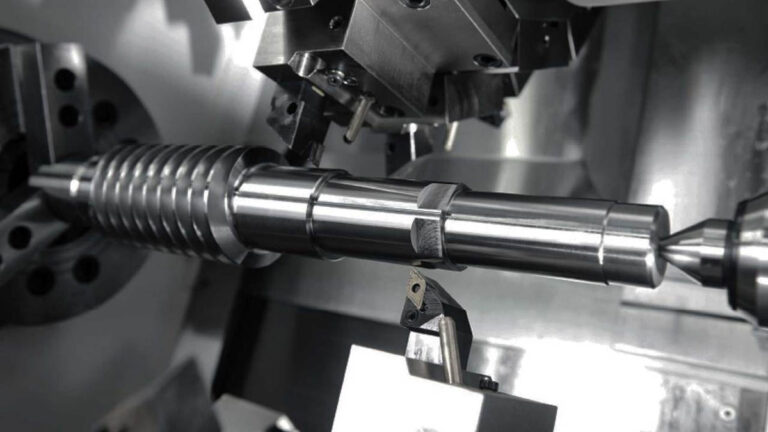
First, when selecting the type of CNC machine tool, you need to determine the technical requirements and process specifications of the products that your company needs to process. Then, determine the type of CNC machine tool based on the process flow and production line cycle time.
There are many types of CNC machine tools. Only by selecting the correct type can the CNC machine tool play its best role and achieve the best performance-price ratio.
Choosing a Reliable CNC Machine Manufacturer
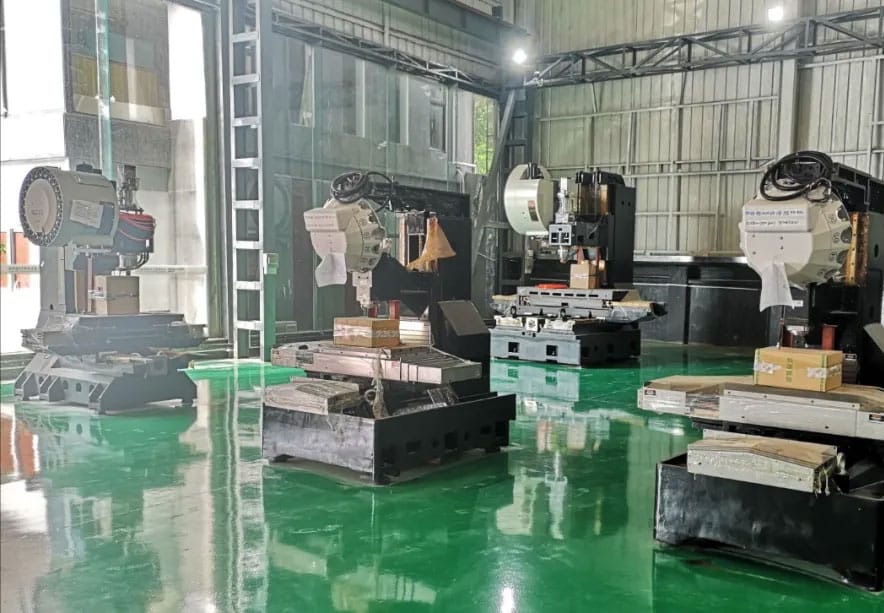
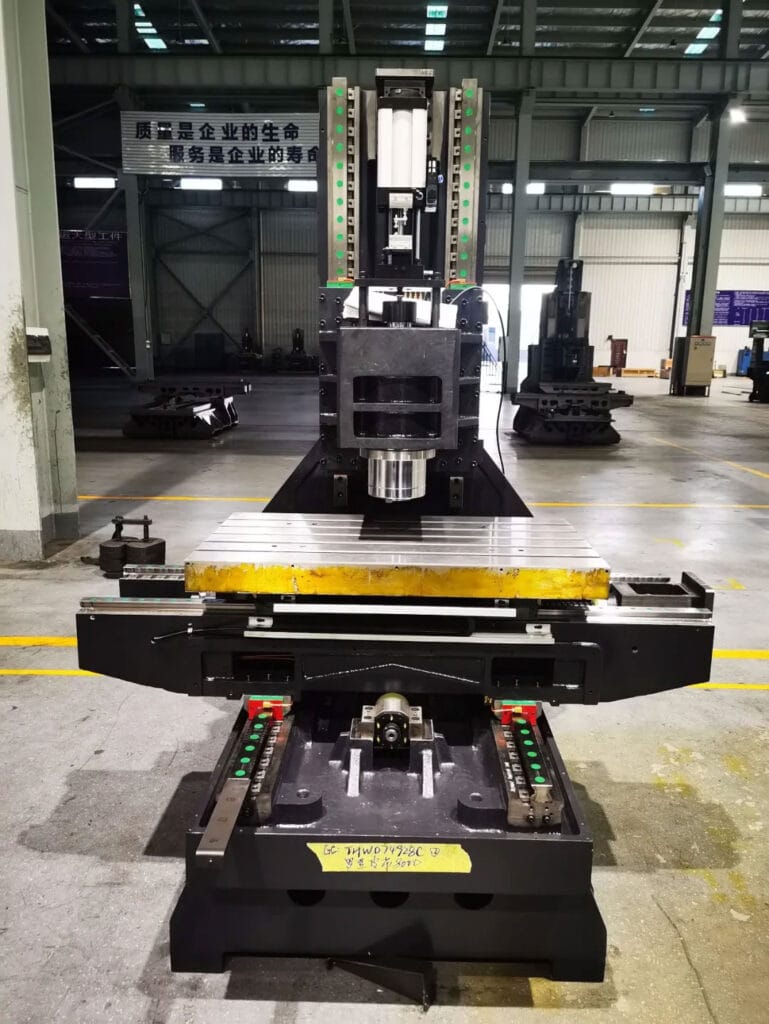
Choosing a CNC equipment manufacturer is crucial, as the size, scale, and technical strength of the manufacturer directly impact the proper functioning of the CNC machines.
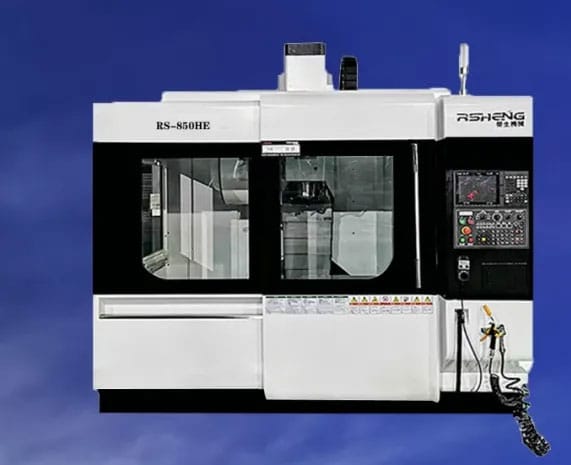
Choosing an unsuitable manufacturer can result in inherent defects and flaws in the equipment, which are often not apparent from the instruction manual or sample images.
Salespeople and manufacturers tend to emphasize the equipment’s advantages. A key concern is that many CNC companies can be established and close down rapidly; sometimes, even after a factory has gone bankrupt, salespeople continue to sell the equipment.
Ignoring these issues can lead to situations where the manufacturer goes bankrupt during delivery and warranty periods , making repairs impossible and the manufacturer unable to honor the one-year warranty.
Furthermore, such factories often lack complete original and maintenance documentation, making self-repair very difficult for users. Therefore, it is essential to choose a reputable manufacturer whenever possible.
Choosing Well-Known and Established CNC Equipment Brands
Third, choose equipment from well-known and reputable brands. Among the many CNC equipment manufacturers in the world, many with considerable strength have their own signature products.
For example, a certain factory might only have one model of CNC lathe that is a high-quality product and has earned a brand name, while the performance of its other lathes cannot compare with this model.
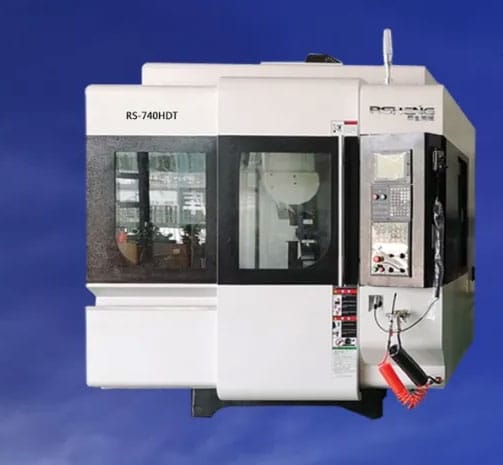
However , to increase market share and competitiveness and obtain higher profits, some manufacturers and distributors take advantage of the weakness of some companies’ lack of understanding of CNC equipment production. They promote CNC machine types that they have never produced before to some purchasing companies.
So many companies that originally needed a well-known brand of CNC machine actually purchased a counterfeit product—a different model of CNC machine from the same manufacturer. Such CNC machine tools often have many design flaws, causing many unnecessary and insurmountable shortcomings when their users put the equipment into production. This is one of the main reasons why many purchased equipment cannot be used properly and remains idle.
Choosing the CNC Control System
Fourth, when selecting a CNC machine system, it’s generally advisable to choose a well-known brand. However, this isn’t the key factor. The crucial element is the CNC machine manufacturer’s ability to develop and utilize the system itself. Many systems now offer comprehensive functionality, and manufacturers typically set prices for various functions (besides commonly used ones).
This means that if the purchasing company doesn’t fully understand the system’s capabilities and doesn’t specify their requirements during the purchase, the manufacturer may only provide the basic, commonly used functions. If missing functions are discovered upon delivery and requested, the manufacturer may claim intellectual property rights and require additional payment.
Some manufacturers may even refuse to provide functions they haven’t developed themselves, relying solely on the contract terms. This significantly limits the user’s ability to fully utilize the advantages and efficiency of the CNC machine tool. Therefore, when selecting a system, the CNC machine manufacturer’s ability to utilize and develop its functions must be considered.
When negotiating, users should fully express their requirements for system functions so that the equipment can play its full role. At the same time, they can obtain multi-functional CNC equipment without spending a penny more.
If you have purchased machine tools, you will inevitably encounter situations where adding a function will increase the price, and functions will be given away as a gesture of goodwill at the end of the negotiation. However, we should not forget that such functions should have been included when we originally bought the machine tools.
Original Technical Documents and Essential Maintenance Materials
Before a final agreement is reached, the supplier must provide all original data and maintenance data for the CNC equipment. Studying and understanding this data allows for a better understanding of the manufacturer’s production and design capabilities. Neglecting this aspect can lead to many unnecessary problems after the equipment is put into production.
Because the accompanying data from Taiwanese CNC manufacturers is generally not very comprehensive due to the manufacturer’s design capabilities, even those companies with more complete data may not provide mainland purchasing companies with comprehensive equipment and maintenance data. Therefore, before purchasing equipment, we must have a clear understanding of all the equipment’s data. Generally, the data included for CNC equipment includes:
1) Operation manual;
2) Programming manual;
3) Exploded view of mechanical structure;
4) High-voltage electrical schematic diagram and detailed layout diagram;
5) Low-voltage electrical schematic diagram and detailed layout diagram;
6) Hydraulic schematic diagram and detailed hydraulic distribution diagram;
7) Cooling system schematic diagram and detailed distribution connection diagram;
8) Lubrication system schematic diagram and detailed distribution layout diagram;
9) Spindle cooling system schematic diagram and detailed connection arrangement diagram;
10) Equipment PC diagram;
11) Equipment system operation manual and maintenance manual;
12) Various parameter setting methods and spindle parameter setting methods, and the purpose of the parameters;
13) Equipment debugging methods (including mechanical and electrical);
14) Layout diagram of various sensors, list of electrical components, and list of various consumable parts;
15) Troubleshooting methods;
16) Instructions and user manuals for various purchased components, and detailed information on electrical and mechanical components.
If a CNC manufacturing company possesses all the correct information mentioned above, it indicates that the company has mature design and manufacturing capabilities for all interfaces of the system, which can fully guarantee that the equipment can be put into normal production and provide strong support for the normal use of the equipment.
After completing the above selections, the delivery and use phase begins. This phase is crucial for users because it allows them to directly interact with the equipment and gain a proper understanding of its precision and performance. During delivery, some users, due to insufficient prior preparation, lack understanding of the CNC manufacturing company, after-sales service, and the completeness and accuracy of accompanying documentation.
Furthermore, they fail to thoroughly verify the accuracy of the machine tool’s original data before signing the delivery form after a series of precision tests have passed. This will cause irreparable and significant losses for the user, as signing signifies acceptance of the equipment and effectively concludes the entire purchase contract.
Based on my experience with CNC equipment manufacturers over the past few years, I’ve found that they generally cannot provide completely accurate and comprehensive technical documentation. Some companies can only provide partial system drawings, and frequently, the provided system drawings and technical data do not match the machine tool itself, technical specifications, or system drawings. Therefore, a detailed check must be conducted during the delivery and use period.
Any incomplete, inconsistent, or missing information must be raised with the supplier. Never sign the delivery order before receiving a clear response from the supplier. It is also important to know the correct method for requesting missing information from the supplier, but this must be done within the valid claim period stipulated in the contract.
CNC Equipment Warranty and Maintenance Management
CNC equipment can experience various malfunctions during use, but each malfunction renders the equipment inoperable. Incomplete or incorrect technical and maintenance documentation can mislead troubleshooting, exacerbating the problem or rendering it unrepairable.
All accompanying accessories must be thoroughly inventoried according to the items, quantities, and technical requirements stipulated in the contract. Signatures should not be taken if all accessories are missing, and the supplier must complete the necessary steps within the contractually agreed timeframe. Do not harbor any illusions or be misled by the supplier’s sweet talk or empty promises.
Once the legally stipulated time limit has expired, the supplier may disappear, unable to fulfill your reasonable requests, and you will be unable to contact them.
Therefore, the entire contract process for purchasing CNC equipment must be completed only after all documentation regarding the static and dynamic accuracy of the CNC equipment, accessories, etc., has been fully and accurately received by the buyer before signing.
Furthermore, the contract must be completed within the legally valid timeframe. Exceeding the legally stipulated time limit will prevent you from claiming compensation from the supplier. Therefore, users should never relinquish this legitimate weapon to protect their interests.
Most CNC machine tools offer a one-year free maintenance and repair period after delivery. During this year, the supplier provides unconditional service to the user.
Properly utilizing this warranty period is crucial for users, as it greatly helps in the normal operation of the CNC equipment. Recent experience has shown that the frequency of CNC equipment failures is closely related to its age, and the types of failures also vary. Assuming 16 hours of daily operation, failures in the first year typically include system-related, component-related, and assembly-related failures, as well as failures due to inherent design flaws.
In other words, inherent design defects will become apparent in the first year. The second and third years are the optimal usage period for CNC equipment; during this time, excluding human-caused failures, there are generally no malfunctions. After three years, the CNC equipment enters its natural wear and tear period. Failures are primarily related to easily worn and consumable parts. Additionally, some comprehensive failures may occur due to the wear and tear of basic components.
Based on the above estimates, users should ideally operate the equipment at full load during the warranty period to expose any inherent defects within a year, allowing the manufacturer to resolve them.
This ensures that users receive a reasonably good machine after the warranty expires. During the warranty period, users must ensure that their CNC equipment maintenance personnel become proficient. In addition to specialized training before the equipment arrived at the factory, they must also engage in hands-on operation.
This one-year warranty period is the best time to familiarize themselves with the equipment and perform practical operations. Users should strive to become familiar with the various performance characteristics of the equipment, the installation locations of components, the operation of the system, and the interconnections between them within the first year.
Throughout the year, the company’s maintenance personnel should be willing to handle various unprecedented malfunctions themselves. During this period, successful troubleshooting will accumulate experience, and unsuccessful attempts are acceptable; the manufacturer can be called in for repairs.
The user-trained maintenance personnel should actively cooperate, humbly learning and absorbing any unfamiliar information from the documentation. After several such processes within a year, the company’s in-house CNC equipment maintenance personnel will be able to shoulder the responsibility of ensuring the normal operation of the CNC equipment.
Therefore, correctly and reasonably utilizing the free warranty period is crucial for users; proper use can save significant funds. Conversely, ensuring the normal operation of CNC equipment requires substantial expenditure.
Furthermore, since some CNC equipment companies do not have local offices or maintenance centers , it can lead to long repair cycles, high repair costs, and disruptions to normal production.
Final Thought From Gaofeng
In summary, this article provides a detailed explanation of various potential problems that may occur during the purchase, delivery, and maintenance periods. It also provides necessary guidance on the correct and reasonable use of users’ rights and outlines detailed preparatory work for the normal use of CNC equipment. Failure to address these issues properly can result in significant losses for users, and may even lead to the purchase of CNC equipment that is completely unusable in the user’s production, resulting in idle waste.