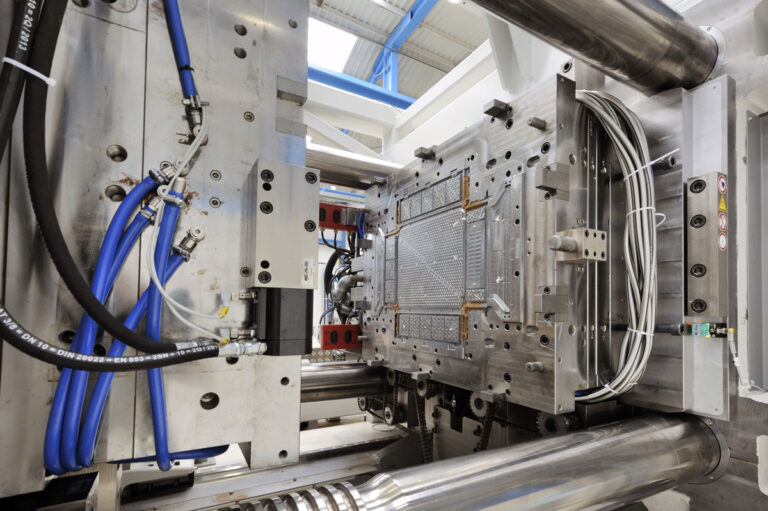

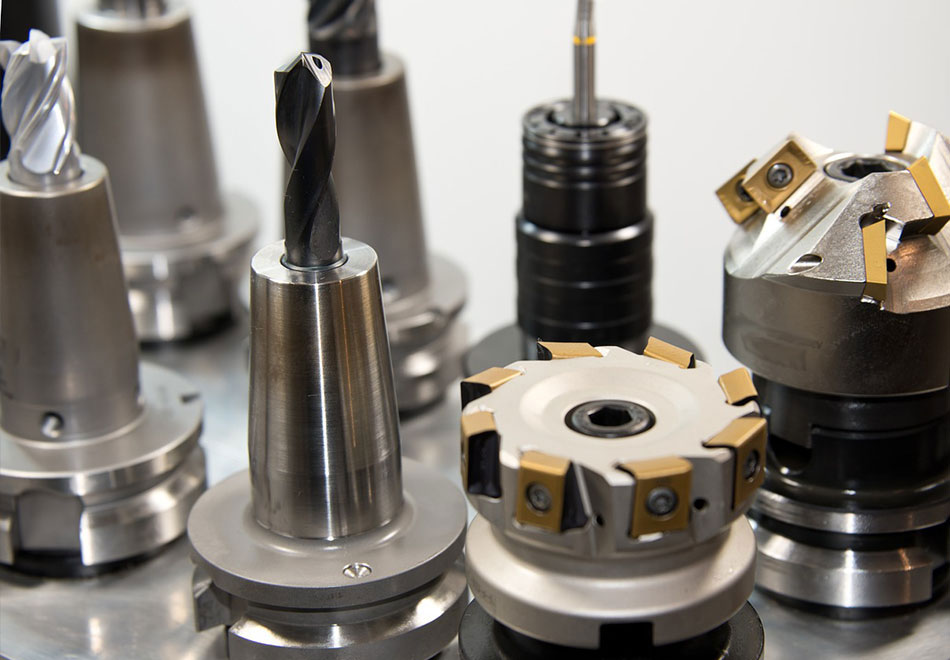
The importance of tool selection in machining is self-evident. Learning to choose tools can help you work more easily. Therefore, you must pay attention to the 15 rules for tool selection!
1.The most important thing in processing is the tool
When any tool stops working, production stops. However, this doesn’t mean every tool is equally important. Tools with the longest cutting times have a greater impact on production cycle time, so all other factors being equal, they deserve more attention. Furthermore, attention should be paid to tools used to machine critical components and those with the tightest tolerances. Furthermore, tools with relatively poor chip control, such as drills, grooving cutters, and threading tools, deserve special attention. This is because poor chip control can cause downtime.
2.Match with machine tools
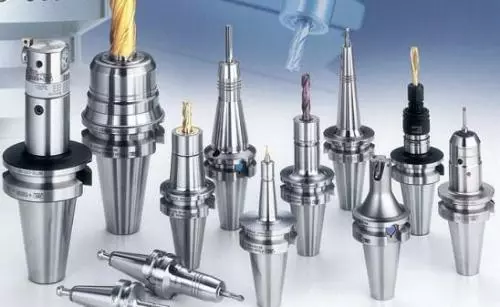
Tools come in both right-hand and left-hand varieties, so choosing the right one is crucial. Generally, right-hand tools are suitable for machines with counterclockwise (CCW) rotation (as viewed along the spindle); left-hand tools are suitable for machines with clockwise (CW) rotation. If you have several lathes, some with left-handed tools and others with ambidextrous compatibility, choose left-handed tools. For milling, people generally prefer tools with greater versatility. However, while these tools cover a wider range of machining, they also immediately compromise tool rigidity, increase tool deflection, reduce cutting parameters, and are more susceptible to vibration. Furthermore, the machine tool’s tool changer has limitations on tool size and weight. If you’re purchasing a machine with internal spindle coolant holes, also choose tools with these holes.
3.Match with the material being processed
Carbon steel is the most common workpiece material in machining, so most cutting tools are designed to optimize carbon steel machining. The brand of insert should be selected based on the material being machined. Cutting tool manufacturers offer a range of cutter bodies and matching inserts for machining non-ferrous materials such as high-temperature alloys, titanium alloys, aluminum, composites, plastics, and pure metals. When you need to machine these materials, choose a tool made of a matching material. Most brands have various series of cutting tools that indicate which materials are suitable for machining. For example, DaElement’s 3PP series is primarily used for machining aluminum alloys, the 86P series is specifically designed for machining stainless steel, and the 6P series is specifically designed for machining high-hardness steel.
4.Tool specifications
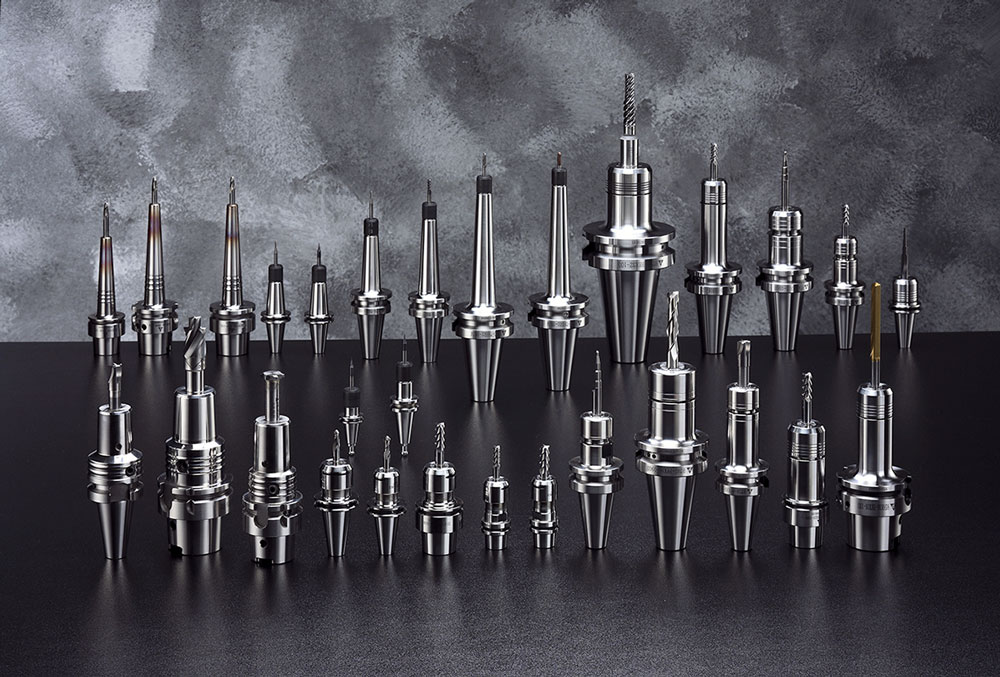
A common mistake is choosing a turning tool that’s too small and a milling tool that’s too large. Larger turning tools are more rigid, while larger milling tools are more expensive and take longer to cut. In general, larger tools are more expensive than smaller ones.
5.Choose between replaceable blades and re-sharpened tools
The principle to follow is simple: avoid regrinding your tools as much as possible. With the exception of a few drills and face mills, choose tools with replaceable inserts or heads whenever possible. This will save you labor costs while ensuring consistent machining results.
6.Tool material and brand
The choice of tool material and grade is closely related to the properties of the workpiece material, as well as the maximum machine speed and feed rate. Choosing a tool grade that is more universal for the workpiece material group typically involves selecting a coated alloy grade. Refer to the “Grade Application Recommendation Chart” provided by the tool supplier. In practice, a common mistake is to attempt to resolve tool life issues by substituting a similar material grade from another tool manufacturer. If your existing tool is not ideal, switching to a similar grade from another manufacturer is likely to yield similar results. To resolve the issue, the cause of tool failure must be identified.
7.Power requirements
The guiding principle is to maximize the power of your machine. For example, if you purchase a 20hp milling machine, select tools and machining parameters that maximize 80% of the machine’s power, provided the workpiece and fixtures allow. Pay special attention to the power/rpm chart in the machine’s user manual and select tools that maximize cutting performance within the machine’s effective power range.
8.Number of cutting edges
The principle is, more is better. Buying a turning tool with twice the cutting edges doesn’t mean paying twice as much. Over the past decade, advanced designs have doubled the number of cutting edges in grooving tools, parting tools, and some milling inserts. It’s not uncommon to replace a milling cutter with only four cutting edges with a modern insert featuring 16. Increasing the number of effective cutting edges also directly impacts table feed and productivity.
9.Choose integral tool or modular tool
Small-sized tools are more suitable for integrated designs, while large-sized tools are more suitable for modular designs. For large-sized tools, when the tool fails, users often hope to simply replace small and inexpensive parts to get a new tool. This is especially true for grooving and boring tools.
10.Choose a single tool or a multi-tool
Smaller workpieces are often more suitable for multi-tool applications. For example, a multi-tool might be able to perform drilling, turning, internal drilling, threading, and chamfering. Of course, more complex workpieces are also more suitable for multi-tool applications. A machine tool only generates revenue when it’s cutting, not when it’s down.
11.Choose standard tools or non-standard special tools
With the widespread adoption of CNC machining centers, it’s widely believed that workpiece shapes can be programmed rather than relying on cutting tools, eliminating the need for custom-made tools. However, custom-made tools still account for 15% of total tool sales today. Why? Using specialized tools can meet precise workpiece dimensional requirements, reduce process steps, and shorten machining cycles. For high-volume production, custom-made tools can significantly shorten machining cycles and reduce costs.
12.Chip control
Remember, your goal is to produce the workpiece, not the chips. However, the chips clearly reflect the cutting condition of the tool. Generally speaking, people have prejudices against chips because most people are not trained to interpret them. Remember this principle: good chips do not ruin the process; bad chips do the opposite.
The blades are mostly designed with chip breakers, and the chip breakers are designed according to the feed rate, whether it is light cutting finishing or heavy cutting roughing.
The smaller the chips, the harder they are to break. Chip control is a major challenge for difficult-to-machine materials. While the material cannot be changed, tools can be upgraded and adjusted for cutting speeds, feed rates, depth of cut, corner radius, and more. Optimizing chips and machining requires a comprehensive approach.
13.Programming
Defining toolpaths often requires navigating between tools, workpieces, and CNC machines. Ideally, this requires a basic understanding of machine code and access to an advanced CAM software package. Toolpaths must take into account tool characteristics such as ramping angles, rotational direction, feeds, and cutting speeds. Each tool has its own programming techniques to shorten cycle times, improve chip removal, and reduce cutting forces. A good CAM software package can save labor and increase productivity.
14.Choose innovative tools or conventional mature tools
At the current rate of technological advancement, cutting tool productivity doubles every 10 years. Comparing recommended cutting parameters with tool parameters from 10 years ago reveals that today’s tools can double machining efficiency while reducing cutting power by 30%. New tool alloys are stronger and more resilient, enabling higher cutting speeds and lower cutting forces. Chipbreakers and grades are less application-specific, offering greater versatility. Modern tools also offer increased versatility and modularity, which together reduce inventory and expand tool applications. Tool developments have also driven new product designs and machining concepts, such as the Overlord cutter, which combines turning and grooving capabilities, and high-feed milling cutters, which have promoted high-speed machining, minimal quantity lubrication (MQL) machining, and hard turning techniques. For these and other reasons, you need to stay current on preferred machining methods and the latest advanced tool technology to avoid falling behind.
15.Price
While tool price is important, it’s not as important as the production cost of the tool. While a tool has its price tag, its true value lies in the contribution it makes to productivity. Typically, the cheapest tool is the one that incurs the highest production cost. Cutting tool price accounts for only 3% of part cost. So focus on the productivity of the tool, not its purchase price.